


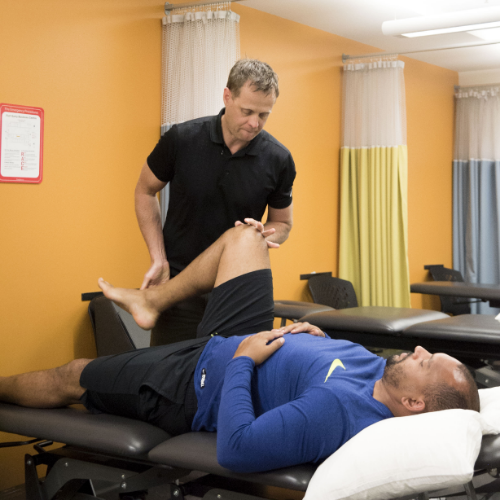
Hip replacement surgery involves removing damaged sections of the hip joint and replacing them with artificial parts, typically made from metal, ceramic, or highly durable plastic. Surgeons perform this procedure to help restore form and function when the joint sustains severe wear and tear or structural damage. By addressing structural issues, a hip replacement aims to improve joint mobility and reduce discomfort during routine daily activities. Here’s information on hip replacement surgery and what you can expect during recovery:
Initial Recovery
The first few weeks after the surgery require adjustments to your daily routine. You may remain in a hospital or specialized recovery facility for a short period before being discharged to your home. During this immediate timeframe, physical rehabilitation begins, and care teams guide you on how to move safely. You must avoid bending the hip past specific angles to protect the new joint, so you will rely on assistive devices to navigate your home safely.
Your physical therapist will teach you daily exercises, and these controlled movements will help strengthen your supporting muscles. Performing routine tasks like dressing, bathing, and preparing meals often requires assistance from a caregiver or the use of reaching tools. Modifying your living space with grab bars and raised seating minimizes unnecessary strain. There are two main types of hip replacement surgery:
- A Total Hip Replacement: The entire head and upper part of the femur are replaced with a prosthetic joint that fits into the hip socket.
- A Partial Hip Replacement: While less common, this surgery option can replace part of a damaged hip.
Late Recovery
As you progress into the late recovery phase, your functional independence gradually returns. This period typically spans from a few weeks to several months following the operation. Your rehabilitation focus shifts toward building physical endurance, refining balance, and restoring a natural walking pattern.
You will transition from using a walker or crutches to a cane, and eventually, you may walk without physical support. Reaching milestones such as returning to the workplace, managing household chores, and driving a vehicle frequently occurs during this phase. The exact timeline for these achievements depends heavily on your overall fitness level and adherence to your rehabilitation program. Continuing to practice your prescribed mobility exercises is fundamental for maintaining joint flexibility and the strength of the surrounding muscles.
Long-term Results and Management
Adapting Your Activity Levels
Once your primary healing phase concludes, you can return to the recreational activities you previously enjoyed. Modifying your long-term fitness routine helps protect the internal components from premature physical wear and structural fatigue. High-impact exercises commonly place excessive mechanical stress on the new artificial joint. After a hip replacement, avoid activities like:
- Jogging
- Singles Tennis
- Basketball
Low-impact physical exercises, such as swimming, stationary cycling, and walking, are generally well-tolerated and encouraged for rehabilitation. An artificial hip joint requires regular monitoring to assess its condition over an extended period. You should attend the scheduled follow-up appointments with your specialist, and they will use imaging to verify the implant’s placement and integrity.
Maintaining a stable, healthy body weight also supports the functional longevity of replacement parts by reducing daily load-bearing stress. If you experience any sudden changes in mobility, persistent stiffness, or a decrease in structural support, contact your healthcare provider promptly. They can assess your hip and determine what is best for your condition.
Discuss Hip Replacement Surgery Recovery
Before your hip replacement, discuss your care plan at length with a surgeon. A thorough clinical consultation is an opportunity to discuss your surgical approach, review the expected recovery timeline, and plan for your post-operative rehabilitation. To learn more about your estimated health outcomes, contact an orthopedic surgeon today.







