


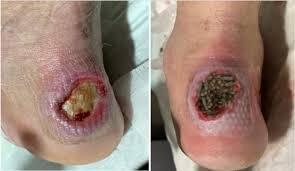
Chronic leg wounds are breaks in the skin that do not heal in the usual expected time frame. Leg ulcers are a common type of chronic wound, often affecting the lower legs or ankles. These wounds may develop after minor trauma, pressure, poor circulation, swelling, or skin damage. They can be shallow or deep and commonly cause discomfort. Because chronic wounds can change over time, wound care from a medical specialist is beneficial for managing them effectively. Here’s information on how to properly treat chronic leg wounds with a specialist:
When To Visit a Specialist
A wound that doesn’t improve, gets larger, or becomes more painful should be assessed by an endovascular specialist. Early assessment can help identify issues that affect healing and reduce delays in treatment planning. A wound care specialist is a medical professional with training in evaluating and managing acute and chronic wounds. They review the wound itself and look for underlying problems such as poor circulation, edema, or signs of a pressure injury.
Why Chronic Leg Wounds Happen
Chronic leg wounds usually develop when the skin and underlying tissues fail to heal as they normally would. Poor blood flow is a common factor in chronic wounds, limiting the delivery of oxygen and nutrients to the lower limbs. Venous insufficiency often contributes to poor circulation, fluid buildup, and slower healing, leading to chronic wounds that require medical attention. Older adults and people with vascular conditions face a higher risk of developing these kinds of wounds.
For some people, a small cut or scrape becomes harder to manage because their surrounding tissue is already fragile, especially if they have health conditions like:
- Diabetes
- Venous Diseases
- Artery Diseases
Skin changes often appear before an ulcer forms. The area may look dry, dark, swollen, thickened, or irritated. Some wounds begin after an injury, but others develop slowly without a clear cause. Identifying the reason a wound is not healing helps guide the next steps in someone’s care plan.
Why Proper Wound Care Matters
Proper wound care focuses on keeping the wound clean, protected, and regularly monitored. The right wound dressings should protect tissue and manage drainage, but the wrong ones may irritate the area or fail to control moisture. Basic care often includes gentle cleansing and the use of dressings that fit a wound’s condition. Consistent medical and at-home care helps providers and individuals track wound changes over time, as small changes can signal improvement or new concerns.
Size, depth, drainage, odor, and skin condition should be observed at each dressing change. Any changes should be documented. This enables timely treatments when adjustments to wound management plans are necessary. Patients should avoid self-treating chronic wounds with harsh products or unapproved remedies. Some substances dry the tissue, and others may damage healthy skin. It is also fundamental to reduce pressure, manage swelling, and follow medical instructions.
Get Appropriate Wound Care
Appropriate wound care starts with an accurate assessment and a plan that matches the cause of your wound. For some people, this may include an evaluation by an endovascular specialist. Endovascular specialists assess your blood flow, and they determine whether vascular conditions are affecting your ability to heal. If circulation is a concern, they can help determine whether further vascular testing or treatment is needed. To learn about your vascular needs, contact an endovascular specialist for a consultation.







