


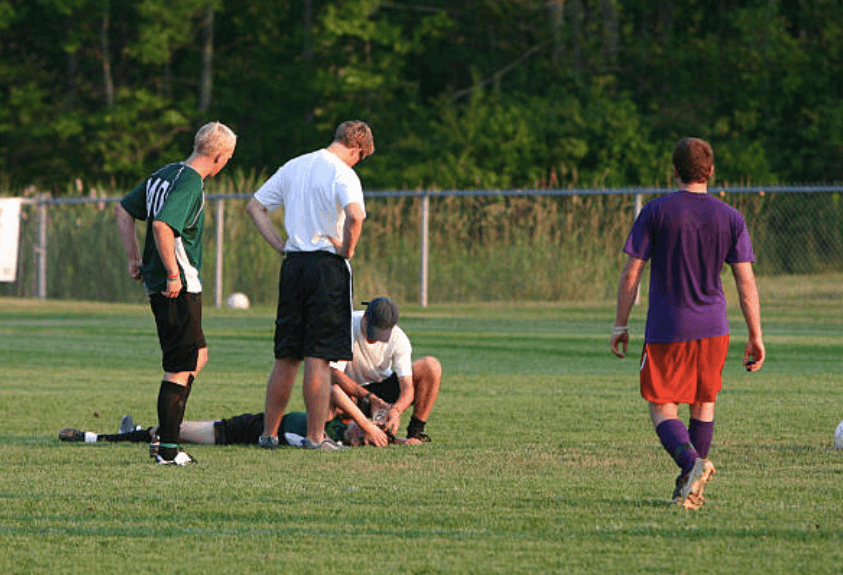
Concussions are a type of traumatic brain injury caused by a bump, blow, or jolt to the head that alters the way your brain normally functions. These injuries can occur during athletic activities, whether in youth leagues or professional competitions. Managing head injuries supports the athlete’s long-term well-being, and concussion protocols provide a structured framework to guide athletes, coaches, and medical staff through recovery. Here is some information about the role of concussion protocols in sports safety:
Prevents Further Injury
Athletes face significant risks if they return to the field before fully healing from a brain injury. Concussion protocols mandate immediate removal from play following a suspected head impact. Second impact syndrome occurs when an individual sustains a second concussion before symptoms from an earlier one have completely subsided. This may cause rapid, severe brain swelling, which is extremely dangerous, and removal from gameplay helps prevent compounding damage.
Medical professionals use established guidelines to monitor your physical state during the initial hours after an injury. They look for red flags, such as worsening headaches, recurrent vomiting, or increasing confusion, as these can indicate a more serious injury. Some sports teams have a designated spotter or medical professional on the sidelines; they watch for signs of instability or disorientation after a collision.
Standardizes Medical Care
When doctors evaluate concussions across different sports, they rely on uniform assessment tools. Standardized care makes sure every athlete receives the same medical attention, regardless of skill level or sport. Medical staff often use the Sport Concussion Assessment Tool to objectively evaluate cognitive and physical symptoms. Without a standardized approach, diagnoses can vary widely. Protocols typically require a baseline test before the sports season starts, and doctors compare post-injury results to these baselines. Doctors evaluate balance, memory, and concentration using uniform metrics, so you receive consistent evaluations from the moment of injury through the final clearance.
Regulates Return To Play
Recovery from a brain injury requires a monitored step-by-step approach. Athletes advance through stages of physical exertion; they begin with light aerobic exercise and gradually progress to full-contact practice. If symptoms return during any phase, the athlete must drop back to the previous step.
Schools and athletic organizations also follow structured return-to-play protocols, and athletes gradually reintroduce sport-specific movements such as running drills or throwing routines. Doctors may require a mandatory rest period between each recovery stage. This helps limit premature returns to high-intensity physical activity. Before an athlete can return to live game action, a physician must provide formal medical clearance.
Manages Sports Risks
Sports involve physical contact, and head injuries remain a recognized risk of athletic participation. Administrators use concussion protocols to establish clear liability expectations and educate participants about injury recognition. Coaches should undergo mandatory training to identify visible signs of head trauma, while athletes learn to report their symptoms to medical staff. Comprehensive education creates a safer athletic environment by shifting the focus from playing through pain to prioritizing health. Parents might also receive written documentation detailing the risks of head injuries and the steps the organization takes to mitigate them.
Schedule Testing for Concussions
Protecting athletes requires adequate preparation before the competitive season begins. Baseline testing provides medical professionals with data to accurately evaluate future head injuries. When an impact does occur, coaches should emphasize early screening, and medical teams use the results to guide safe return-to-play decisions. Call a neurologist today to schedule concussion testing for your upcoming sports schedule.







