


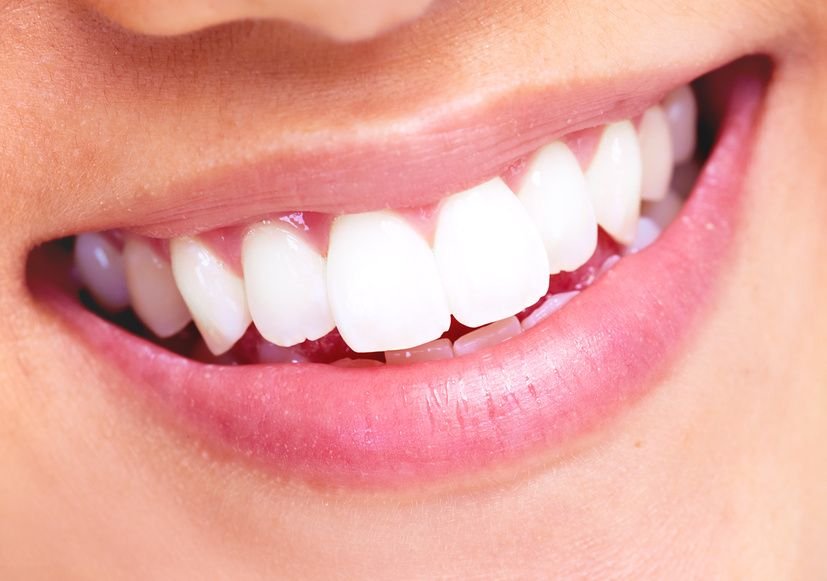
Cosmetic dentistry focuses on improving the appearance of the teeth, gums, and overall smile through treatments tailored to each patient’s needs. It may address concerns such as discoloration, chips, gaps, uneven teeth, or worn enamel. Here is a closer look at the role of cosmetic dentistry in enhancing your smile:
Defining Smile Goals
As individuals think about changes to their teeth, they usually identify specific targets. Dentists categorize these targets into distinct objectives during the initial cosmetic dentistry consultation. Here are some of them:
- Alignment correction: Dentists use clear aligners to straighten crooked teeth over time.
- Gap reduction: Dental bonding minimizes the spaces between individual teeth using applied resin.
- Surface repair: Porcelain veneers cover chips or cracks on the visible enamel surfaces.
- Bite adjustment: Clinical adjustments improve the way upper and lower teeth meet.
After a dentist reviews these objectives, they create a specific timeline for the procedures. A structured approach is key to clinical success and patient safety.
Improving Tooth Shape
Although structural repairs hold priority, cosmetic dentistry specialists also evaluate overall tooth shade. Teeth whitening effectively alters the surface color of the enamel. Providers use clinical-grade bleaching agents, and the enamel lightens by several shades during a single visit.
If a tooth possesses an irregular shape, a provider can apply composite resin to the exterior. This resin permanently alters the tooth’s physical dimensions. The dentist carefully molds the material, and a curing light hardens the structure immediately.
When natural teeth sustain extensive damage, dental crowns are used to replace the entire outer layer. A crown restores the original anatomical shape. Laboratories manufacture these caps precisely, and dentists cement them onto the prepared dental bases. While color matching requires a precise eye, shade guides assist the clinician in this specific task.
Selecting Treatment Options
Whenever patients request cosmetic dentistry, providers present multiple options to address their concerns. The selection process requires a thorough dental examination. X-rays reveal internal bone structures, and visual inspections confirm the health of the surface enamel.
Once the examination concludes, the dentist explains the suitable procedures for the specific case. A patient may need dental implants instead of traditional bridges. The provider discusses the technical details, and the patient makes an informed decision regarding their care.
Some treatments offer rapid results, while other procedures require a multi-step approach. A full smile makeover combines several cosmetic techniques. The clinician organizes these steps sequentially, and the patient attends multiple scheduled appointments.
Maintaining Your Smile
After completing a cosmetic dentistry procedure, patients must follow specific at-home maintenance protocols. Consistent care is fundamental for lasting results and oral health. Here are helpful tips for maintaining healthy smiles:
- Daily hygiene: Brushing and flossing remove bacterial plaque from treated and natural surfaces.
- Dietary habits: Patients should avoid highly pigmented foods to prevent new stains on the enamel.
- Protective gear: Night guards protect porcelain veneers from grinding forces during sleep.
- Routine checkups: Dentists monitor the condition of restorations during standard visits.
Clinics schedule regular maintenance appointments to monitor progress. The dentist assesses the oral health, and the hygienist performs a professional cleaning.
Schedule Your Cosmetic Dentistry Appointment
Following proper care practices and attending regular dental checkups can help patients make sure their cosmetic dental work remains durable and aesthetically pleasing. Routine maintenance appointments are fundamental for monitoring progress and preserving long-term oral health. Contact a skilled cosmetic dentist near you to schedule your cosmetic dentistry appointment today.







