


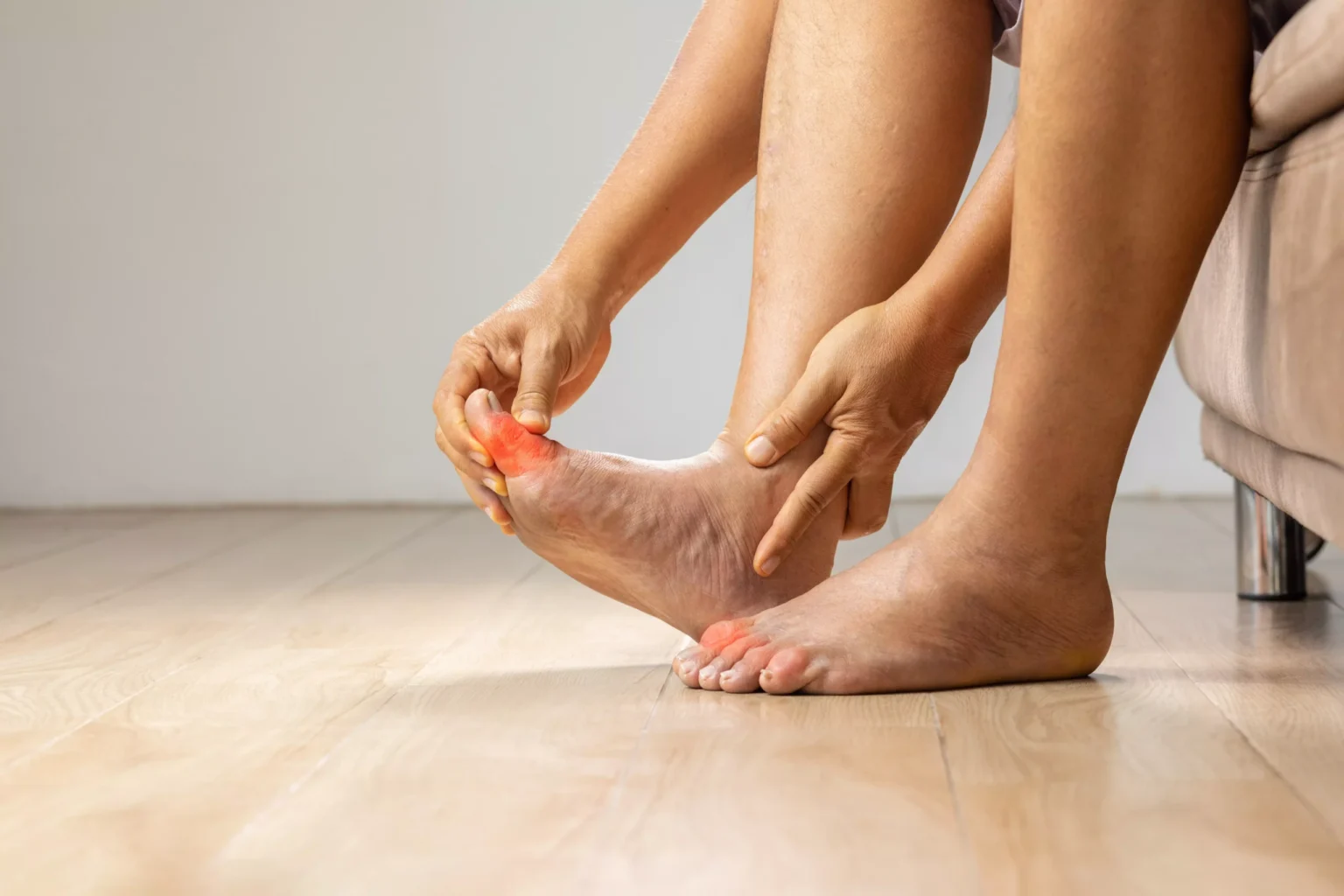
Gout is a form of arthritis that can cause sudden pain, swelling, and discomfort in the joints. Diet may play a role in managing gout because certain foods and drinks can affect uric acid levels. Making informed food choices, along with professional treatment guidance, can control symptoms and reduce the risk of flare-ups. Here is a closer look at the role of diet in gout management:
Recognizing Food Triggers
Certain foods contain high levels of purines. The body breaks these biochemicals down into uric acid, and high concentrations of uric acid lead directly to gout flare-ups. When a person eats purine-rich meals frequently, the kidneys struggle to filter the excess waste. You should contemplate reducing specific items in your diet, and keeping a food journal helps track any direct reactions.
Several common dietary staples can trigger gout symptoms. Red meat and organ meats present high purine loads, while certain types of seafood, like sardines and shellfish, also pose risks. Alcoholic beverages like beer interfere with the body’s removal of uric acid. You must limit these foods to make sure your joints remain free of crystal deposits.
Choosing Supportive Foods
Managing gout effectively requires eliminating certain triggers and also incorporating foods that support healthy uric acid levels. A well-structured diet can play a significant role in reducing gout flare-ups and alleviating symptoms. You can incorporate the following nutritional items into your diet to manage uric acid levels effectively:
- Low-fat dairy products: Milk and yogurt contain proteins that promote uric acid excretion.
- Complex carbohydrates: Whole grains and vegetables provide fundamental nutrients without adding excess purines.
- Vitamin C sources: Citrus fruits can lower uric acid levels in the blood over time.
- Plant-based proteins: Beans and lentils offer safe protein alternatives that do not trigger severe inflammation.
- Hydrating fluids: Water dilutes uric acid, and proper hydration supports efficient kidney function.
These dietary adjustments provide a solid foundation for managing joint health.
Adjusting Eating Habits During Flare-Ups
A gout flare-up requires immediate attention to diet and hydration. You should drink plenty of water, which flushes uric acid out of your system. If a sudden attack occurs, strict adherence to a low-purine diet becomes a key focus. Patients often experience severe discomfort during these episodes, and specific food choices may dictate the duration of the pain.
Fasting or extreme diets can worsen gout symptoms. Rapid weight loss raises uric acid levels in the blood, so you must maintain a steady caloric intake. Skipping meals forces the body to break down its own tissue for energy. This internal breakdown releases purines, and the resulting accumulation of uric acid prolongs joint inflammation.
Incorporating Long-Term Lifestyle Changes
Managing gout effectively requires a comprehensive approach that extends beyond immediate symptom relief. Incorporating long-term lifestyle changes is fundamental to minimizing flare-ups and promoting overall health. Here are some lifestyle changes that can support gout management:
- Weight management: Achieving a healthy body mass reduces the overall burden on your joints.
- Consistent meal timing: Eating at regular intervals prevents sudden metabolic shifts.
- Routine hydration: Drinking water consistently throughout the day helps maintain kidney function.
- Medical supervision: Regular check-ups enable doctors to accurately monitor uric acid levels.
- Medication adherence: Prescribed drugs work alongside dietary changes to prevent crystal formation.
You may achieve better joint mobility by combining these long-term strategies with mindful eating.
Get Relief From Gout Today
Managing gout requires a comprehensive approach that includes monitoring diet, staying hydrated, and going for regular check-ups. Implementing these strategies can help patients reduce uric acid levels, prevent crystal formation, and improve joint mobility over time. Contact a qualified podiatrist in your area to schedule your appointment for expert gout care today.







