


FUE Hair Transplant is a hair restoration technique that involves moving individual hair follicles from one area of the scalp to areas affected by thinning or hair loss. While hair restoration products may improve the appearance of fuller hair, their results often depend on several factors. Understanding the science behind these products can help individuals make informed decisions about their options. Here is more information on the science behind hair restoration products:
How Does Hair Grow?
Human hair grows in a continuous cycle. The active phase lasts for several years, and the resting phase causes the strand to shed. Hormonal changes often disrupt these standard biological patterns. Specific androgens shrink the follicles, leading to progressive thinning. Although topical treatments temporarily stimulate blood flow, severe disruption requires direct medical intervention.
Blood circulation delivers fundamental nutrients to the scalp. A healthy blood supply sustains the follicle cells, but diminished circulation can weaken the overall structure. When patients lose this structural integrity, they may explore a professional FUE hair transplant as a treatment. Nutritional intake also plays a fundamental role in maintaining follicle health. Diets lacking basic vitamins hinder growth, and poor nutrition can weaken the hair shafts.
Can Products Help?
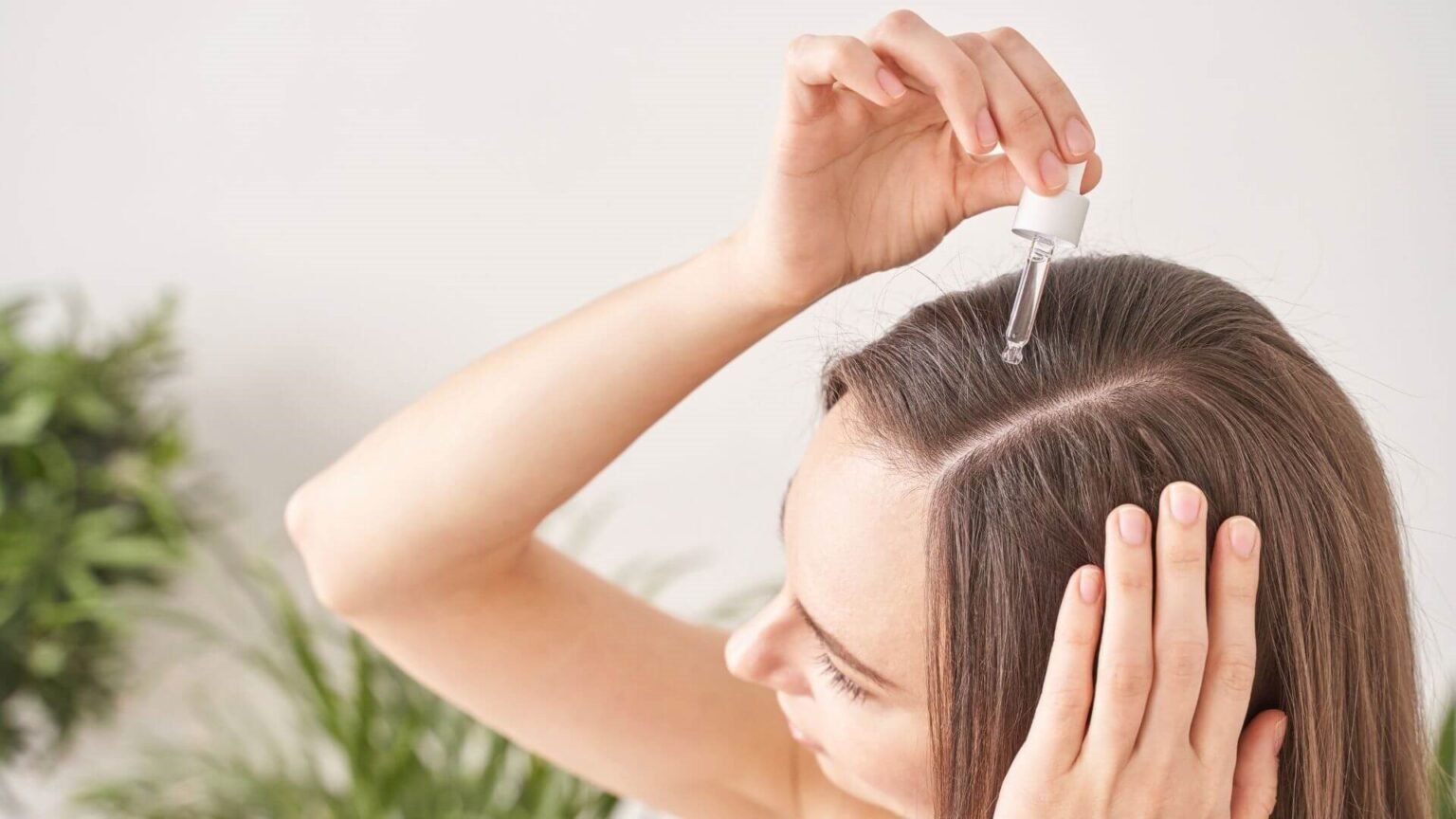
Several over-the-counter products target the early stages of hair thinning. Shampoos aim to clear the scalp of debris, and vitamins provide building blocks for keratin production. While these items offer helpful support, they rarely reverse significant follicular death. Medical-grade formulas contain active ingredients; Minoxidil dilates blood vessels, allowing more oxygen to reach the roots. Patients must apply these solutions consistently to maintain any visible benefits. Non-surgical options require ongoing commitment from the user. They must follow the application instructions carefully, or the positive effects will fade quickly.
How Does FUE Work?
A FUE Hair Transplant relies on precise surgical extraction techniques; physicians remove healthy hair follicle units from a donor area and implant them into the targeted regions. A specialized punch tool isolates the graft, and the surgeon gently extracts it without damaging the surrounding tissue. This meticulous approach maximizes the survival rate of the transferred follicles after the surgeon places them.
The implanted hairs establish a new blood supply within a few days. The tissues heal rapidly, and the scalp integrates the new grafts. Once the site has fully recovered, the relocated follicles begin producing normal hair strands. The tiny incisions close quickly, and patients can return to their regular schedules within a few days. While some swelling may occur initially, it resolves under normal conditions.
How Are Results Maintained?
Patients must follow specific care guidelines to achieve the best possible outcomes. Proper maintenance protects the new grafts, and a careful routine prevents unnecessary complications. As patients prepare for recovery, the following timeline outlines the standard recovery phases.
- Initial Healing: The scalp requires gentle washing and limited physical exertion.
- Shedding Phase: Transplanted hairs shed during the first few months, making way for new growth.
- New Growth: Fresh strands emerge around the fourth month, thickening gradually over time.
- Final Outcome: The full visual impact becomes apparent, providing a natural appearance.
These milestones represent a standard biological response to the procedure. Each individual heals at a unique pace, but the overall progression remains highly predictable.
Book Your FUE Hair Transplant Appointment
A clear understanding of biology helps patients navigate their treatment options. Over-the-counter products offer mild benefits, but clinical procedures such as FUE hair restoration deliver permanent solutions. Contact a qualified hair restoration specialist near you to book your FUE hair transplant appointment today.







