


Varicose veins are swollen blood vessels. Older adults and pregnant women tend to develop them, and some patients seek medical care to relieve pain. Other individuals pursue treatment for cosmetic reasons. Here is more information about how three different types of treatments for varicose veins work:
Understanding Varicose Veins
Patients with varicose veins experience swollen blood vessels just under the skin. The internal valves within the veins fail, and the blood pools instead of flowing back to the heart. While they may not be painful, several distinct factors cause these bulging blood vessels to develop.
Common triggers include:
- Advanced age
- Pregnancy
- Family history of venous disease
- Prolonged standing or sitting
While many patients experience no discomfort or issues from varicose veins, some patients seek treatment to relieve pain or for cosmetic improvement. The different treatments for varicose veins accomplish the same goal; they close the problematic vein and allow blood to reroute through healthier veins. The results of these treatments are permanent, but new ones can develop over time. Some patients may need more treatment in the future.
Healing With Sclerotherapy
Sclerotherapy is a minimally invasive medical procedure. A doctor injects a chemical solution into the leg, and this liquid irritates the lining of the blood vessel. The vessel swells and sticks together, which forces the blood to reroute through healthier pathways.
VenaSeal is another treatment that makes varicose veins stick together, but it uses a medical adhesive. This special glue seals the pathway shut. The diverted blood immediately flows into nearby healthy vessels. With VenaSeal, the glue stays in the affected vein, and the effect is permanent.
Treating With Venous Ablation
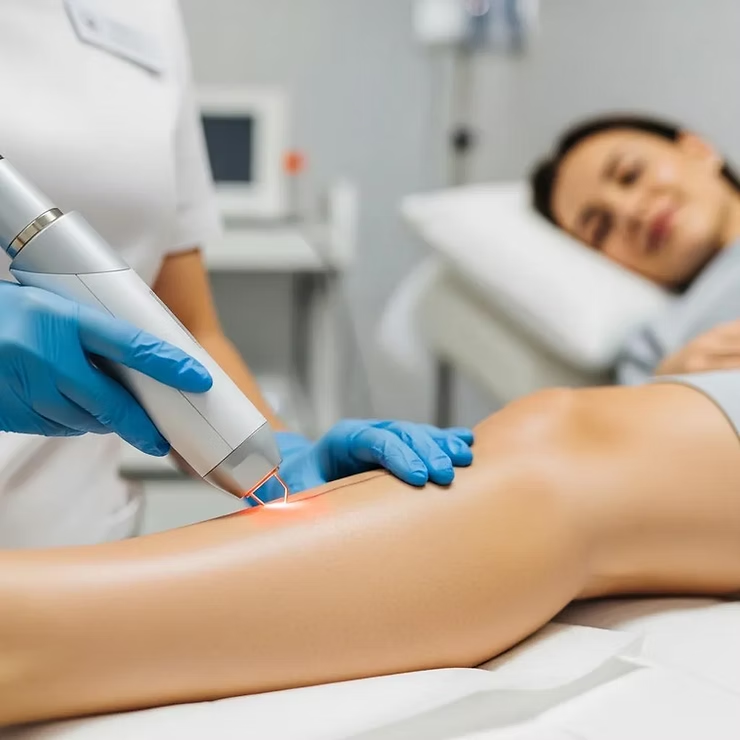
When a patient undergoes venous ablation, a doctor uses heat to close off the affected blood vessels. The physician inserts a thin catheter into the leg, and they apply thermal energy to the targeted area. This concentrated heat destroys the vessel wall.
Benefits of Varicose Vein Treatment
Varicose vein treatment typically does not require significant downtime, and the recovery is short after the procedure. The provider administers a local anesthetic to keep patients comfortable during the procedure. Undergoing varicose vein treatment offers a range of advantages:
- Pain and Discomfort Relief: Treatments alleviate symptoms such as aching, swelling, and heaviness in the legs, which improves comfort and mobility.
- Enhanced Circulation: By addressing dysfunctional veins, these procedures promote healthier blood flow and reduce the risk of serious complications such as blood clots and venous ulcers.
- Improved Appearance: Resolving bulging, discolored veins can lead to enhanced cosmetic results.
- Quick Recovery: Modern, minimally invasive techniques allow for safe and effective treatment with minimal downtime, enabling a swift return to daily activities.
These benefits contribute to an improved quality of life and long-term vascular health.
Learn More About Treatments
Bulging blood vessels can cause physical aches and cosmetic issues. Sclerotherapy, venous ablation, and VenaSeal offer effective medical solutions to resolve these problems; they close off the damaged pathways. If you want to learn more about varicose vein treatment, consult a vascular specialist near you.







