


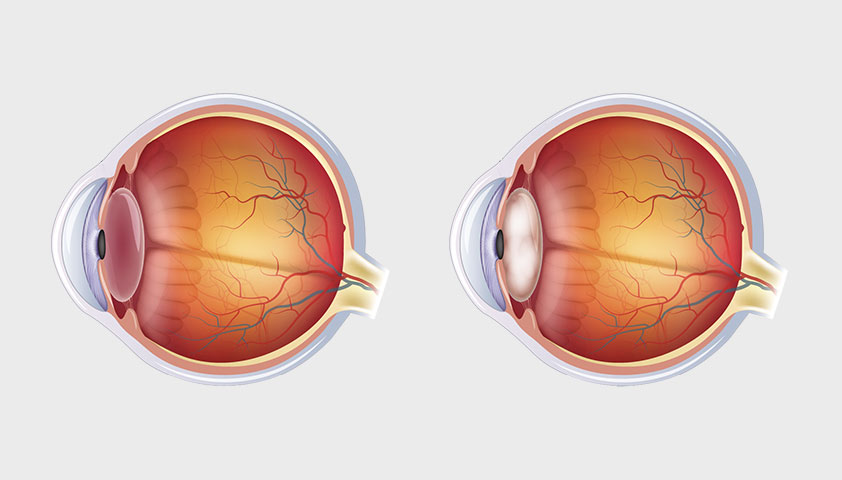
Seeing clearly at night can be challenging for many people. Reduced visibility in low-light conditions can make everyday tasks, like driving, walking, or outdoor activities, difficult and sometimes dangerous. While some night vision issues are caused by medical conditions, there are several natural ways to improve your night vision and strengthen your eyes. In this article, we’ll explore practical tips and lifestyle habits that can help enhance your vision after dark.
Understanding Night Vision
Night vision depends on how well your eyes adjust to low light. The retina, which is the light-sensitive layer at the back of your eye, contains two types of cells:
- Rods: These cells detect light and help you see in dim conditions.
- Cones: These cells detect colors and function best in bright light.
When your rods don’t function optimally, it becomes harder to see in low-light environments. Causes of poor night vision include:
- Vitamin A deficiency
- Aging
- Eye conditions such as cataracts or glaucoma
- Excessive screen time and eye strain
- Poor overall nutrition or dehydration
The good news is that there are several natural strategies to boost night vision and maintain healthy eyesight.
1. Eat a Nutrient-Rich Diet
How it helps: Your eyes need specific nutrients to function properly, especially in low-light conditions.
Key nutrients for night vision:
- Vitamin A: Essential for producing rhodopsin, a pigment in the retina that helps you see in the dark. Found in carrots, sweet potatoes, spinach, kale, and liver.
- Omega-3 Fatty Acids: Support retinal health and prevent dry eyes. Found in fish like salmon, chia seeds, and walnuts.
- Zinc: Helps transport vitamin A from the liver to the retina. Found in pumpkin seeds, nuts, and legumes.
- Vitamin C and E: Protect eyes from oxidative stress and improve overall eye health. Found in citrus fruits, berries, and almonds.
Tip: Include a mix of these foods daily to naturally support night vision.
2. Exercise Your Eyes
How it helps: Eye exercises improve focus, strengthen the muscles around your eyes, and enhance overall eye function.
Simple exercises for better night vision:
- Palming: Rub your hands together, place them over closed eyes, and relax for 1–2 minutes to relieve eye strain.
- Eye Rolling: Slowly roll your eyes clockwise and counterclockwise for 10 repetitions.
- Focus Shifting: Hold your thumb close to your face, focus on it, then shift your focus to a distant object. Repeat 10 times.
Tip: Do these exercises daily, especially after long screen hours, to maintain eye flexibility.
3. Reduce Glare and Strain
How it helps: Excessive light exposure during the day or screen use can damage rods and cones, affecting night vision.
Practical steps:
- Limit screen time before bedtime.
- Use anti-glare glasses if you spend long hours on computers or devices.
- Adjust your car headlights or indoor lighting to prevent glare while driving at night.
- Wear sunglasses during the day to protect eyes from harmful UV rays.
Tip: Reducing eye strain during the day helps your eyes adapt better to low-light conditions at night.
4. Improve Eye Health Through Lifestyle Habits
How it helps: Overall eye health significantly impacts your ability to see in the dark.
Healthy habits include:
- Stay hydrated: Dry eyes can reduce visual clarity, especially in dim light.
- Get adequate sleep: Rested eyes adjust better to changes in lighting.
- Avoid smoking: Smoking damages blood vessels in the eyes and increases night vision problems.
- Regular eye check-ups: Detect issues like cataracts, glaucoma, or macular degeneration early.
Tip: Simple lifestyle adjustments can greatly enhance night vision over time.
5. Use Natural Supplements
How it helps: Certain supplements support retinal health and improve night vision.
Popular options:
- Bilberry Extract: Known for improving rod cell function and eye circulation.
- Lutein and Zeaxanthin: Found in leafy greens, these antioxidants protect eyes from oxidative stress.
- Beta-Carotene: A precursor to vitamin A, supports rhodopsin production in the retina.
Tip: Always consult a healthcare provider before starting any new supplement.
6. Practice Low-Light Adaptation
How it helps: Your eyes can adapt to darkness with gradual exposure.
How to practice:
- Dim your home lights gradually in the evening.
- Avoid sudden bright lights when outdoors at night.
- Spend a few minutes outside at dusk to allow your eyes to adjust naturally.
Tip: The adaptation process may take 20–30 minutes, but it strengthens your rods over time.
7. Protect Your Eyes from Injury
How it helps: Eye injuries can impair night vision permanently.
Precautions:
- Wear protective eyewear during sports or hazardous activities.
- Avoid rubbing your eyes excessively.
- Keep your eyes clean and free from dust or debris.
Tip: Preventing eye damage preserves both day and night vision.
5 FAQs About Improving Night Vision Naturally
1. Can night vision be fully restored naturally?
While natural methods improve low-light vision and overall eye health, severe conditions like cataracts may require medical treatment. Early prevention is key.
2. How long does it take to notice improvement?
Improvements may appear within a few weeks to months of consistent dietary, lifestyle, and eye care changes.
3. Are supplements necessary for better night vision?
Supplements can help if you have nutrient deficiencies. However, a balanced diet rich in vitamins A, C, E, zinc, and omega-3s is often sufficient.
4. Can eye exercises really improve vision at night?
Yes. Eye exercises enhance focus, strengthen eye muscles, and reduce fatigue, which indirectly improves night vision.
5. When should I see an eye doctor?
Consult a doctor if you experience:
- Sudden vision loss or blurriness
- Difficulty seeing at night that worsens over time
- Eye pain, flashing lights, or floaters
Conclusion
Improving night vision naturally is possible through a combination of proper nutrition, eye exercises, healthy lifestyle habits, and gradual adaptation to low-light environments. By focusing on vitamin-rich foods, reducing eye strain, protecting your eyes, and practicing regular eye exercises, you can strengthen your night vision and maintain overall eye health.
Remember, prevention and consistency are key. Simple daily habits can make a noticeable difference in your ability to see clearly at night, making everyday activities safer and more enjoyable.







