


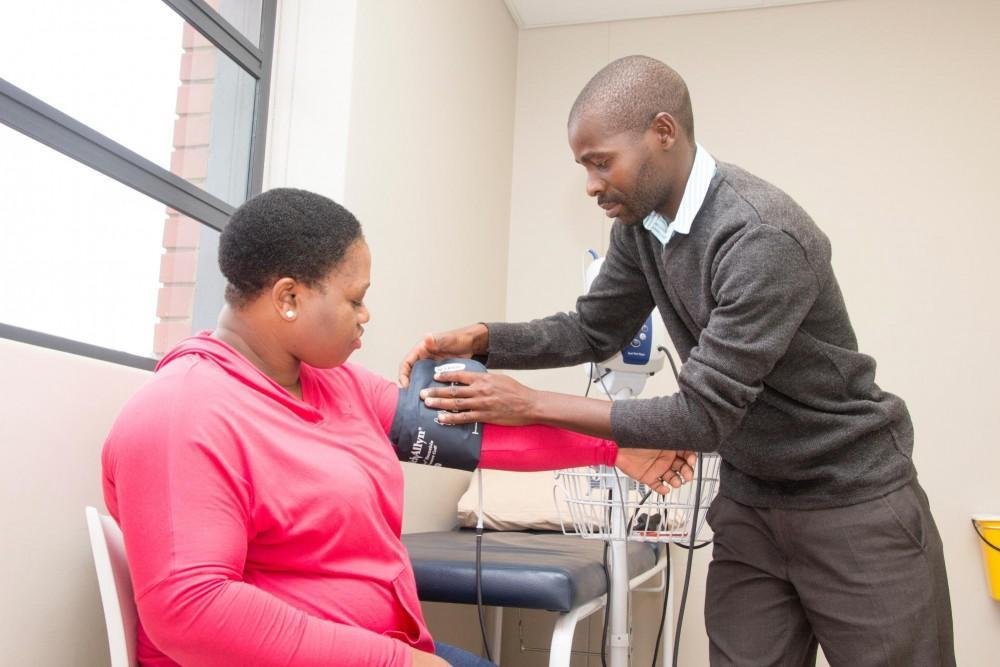
A cardiologist focuses on the heart and blood vessels, and they address conditions like arrhythmias, high blood pressure, and heart failure. Patients are often referred to cardiovascular clinics after reporting symptoms like chest pain to their primary care physicians. Knowing what to expect during your evaluation helps you prepare for your consultation. Here are some tips for visiting a cardiologist:
Gather Health Information
Before your appointment, gather your relevant medical records. Giving your heart doctor a detailed health history will help them accurately assess your current condition. Key information includes:
- Current medications: Write down every prescription medication, over-the-counter pill, supplement, and vitamin you take. Include the exact dosages and the times of day you take them. This list helps your doctor check for any interactions that could affect your heart health or treatment plan.
- Your family history: Note any close relatives who have had heart disease, strokes, high cholesterol, or diabetes; this information helps your doctor understand your cardiovascular risk factors.
- Previous test results: Contact your other healthcare providers to get copies of recent blood tests, electrocardiograms (EKGs), chest X-rays, or other diagnostic reports. Bringing these with you can prevent repeat tests and save time.
- Physical symptoms: Tracking your physical symptoms gives your healthcare provider clues about your specific condition. Keep a written log of any symptoms, noting when they manifest and the activities you were engaged in at that time.
Prepare for the Appointment
Preparing for your appointment in advance can help make sure you receive accurate and complete care during your visit. Avoiding heavy meals or caffeine before your visit helps keep your body stable, so measurements like heart rate and blood pressure are less likely to be temporarily elevated. Staying well-hydrated may also make physical assessments easier and more consistent.
Plan to arrive a few minutes early; extra time allows you to settle in, reducing stress from traffic or parking. Wearing comfortable, easy-to-remove clothing allows you to transition into a gown if needed. If you’re coming from work, bringing a change of clothes may help you remain comfortable during checks that require access to your chest, arms, or ankles. Supportive shoes that are easy to take off if needed also make the appointment more comfortable and help the visit run smoothly.
Ask Questions
Draft your inquiries before the appointment, and during the examination, ask the cardiologist to explain your diagnosis in plain language. Request comprehensive details on proposed diagnostic tests, specifically what metrics they measure and how you need to physically prepare beforehand. Asking about lifestyle changes that support your health, such as sodium restrictions or approved exercise routines, helps you support your cardiovascular health day to day. If the doctor prescribes a new medication for your heart, ask about potential side effects or interactions with your current prescriptions.
Visit a Cardiologist
Taking proactive steps before your scheduled appointment helps make sure the cardiology evaluation runs more smoothly. Organizing your medical records, logging your symptoms, and drafting questions can help you better understand your health needs. A cardiologist will conduct a thorough evaluation, and they will outline a personalized treatment plan. Contact a heart clinic today to learn more.







