


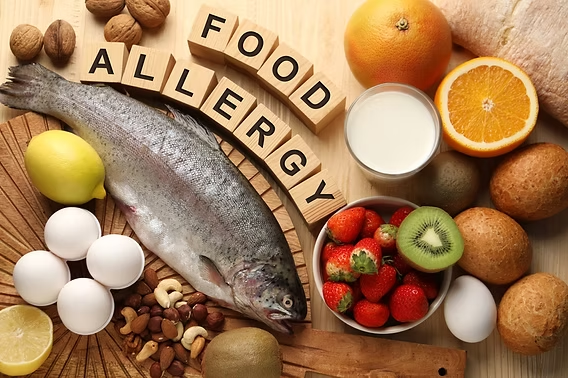
Food allergies affect many individuals, altering the way they interact with daily meals and physical environments. Understanding the underlying mechanics of food allergies can provide a foundation for safer dietary practices. Recognizing the specific foods that cause these reactions allows individuals to navigate their nutrition safely and serves as a fundamental tool for managing lifelong health.
What Are Food Allergies?
The human immune system acts as a defense mechanism against harmful invaders like viruses and bacteria. When an individual has food allergies, their immune system inaccurately identifies specific harmless food proteins as dangerous threats. In response to this perceived danger, the body produces specific antibodies. These antibodies prompt the release of chemicals, such as histamine, directly into the bloodstream. The sudden presence of histamine generates inflammation throughout various bodily systems and creates adverse physical symptoms.
Beyond recommending strict avoidance, medical teams may educate patients on reading food labels and preventing cross-contamination during meal preparation. Cross-contamination occurs when safe foods come into contact with allergens, typically via shared utensils or cooking surfaces. Noting what foods you have consumed assists doctors in identifying patterns between consumed meals and subsequent physical symptoms.
What Are the Common Types?
While human beings can develop an allergic response to virtually any consumed substance, specific items cause the vast majority of allergic reactions. These common allergens include dairy products, eggs, fish, crustacean shellfish, tree nuts, peanuts, wheat, and soybeans. Avoiding these specific items remains a primary management method and helps prevent adverse immune reactions.
Reading ingredient labels meticulously helps individuals identify hidden allergens in heavily processed meals. Even microscopic traces of an allergen, for highly sensitive individuals, can prompt a severe physical response. Dining out requires open communication with restaurant staff and helps prevent accidental exposure through shared kitchen equipment.
What Are the Signs?
Identifying the physical manifestations of a food allergic reaction helps individuals seek timely care. Reactions typically occur within minutes to a few hours after consuming the offending food, and symptoms often cause certain types of discomfort or can affect the skin. Common signs impact the gastrointestinal tract, including stomach cramping, nausea, vomiting, and diarrhea. Individuals may also experience dermatological reactions, such as severe itchiness, localized rashes, or widespread hives across the body.
Some individuals experience localized swelling in the tongue or throat and experience distinct trouble with swallowing. In specific cases, food allergies cause a systemic, life-threatening reaction known as anaphylaxis. Anaphylaxis can present through dizziness, sudden confusion, a weakened pulse, fainting, or a complete loss of consciousness.
Seek Professional Allergy Care
Consulting a medical professional provides necessary clarity for individuals suspecting a food allergy. Physicians utilize comprehensive allergy testing to pinpoint exact triggers. This testing allows for precise dietary modifications based on scientific evidence and does not have to rely on guesswork. Medical providers also prescribe necessary emergency medications, such as epinephrine auto-injectors, teaching patients proper administration techniques. Emerging treatments, like immunotherapy, aim to desensitize the immune system to specific allergens through gradual exposure over extended periods. Discussing these modern therapeutic options with a specialist offers individuals structured strategies for managing their daily health safely and effectively.







