


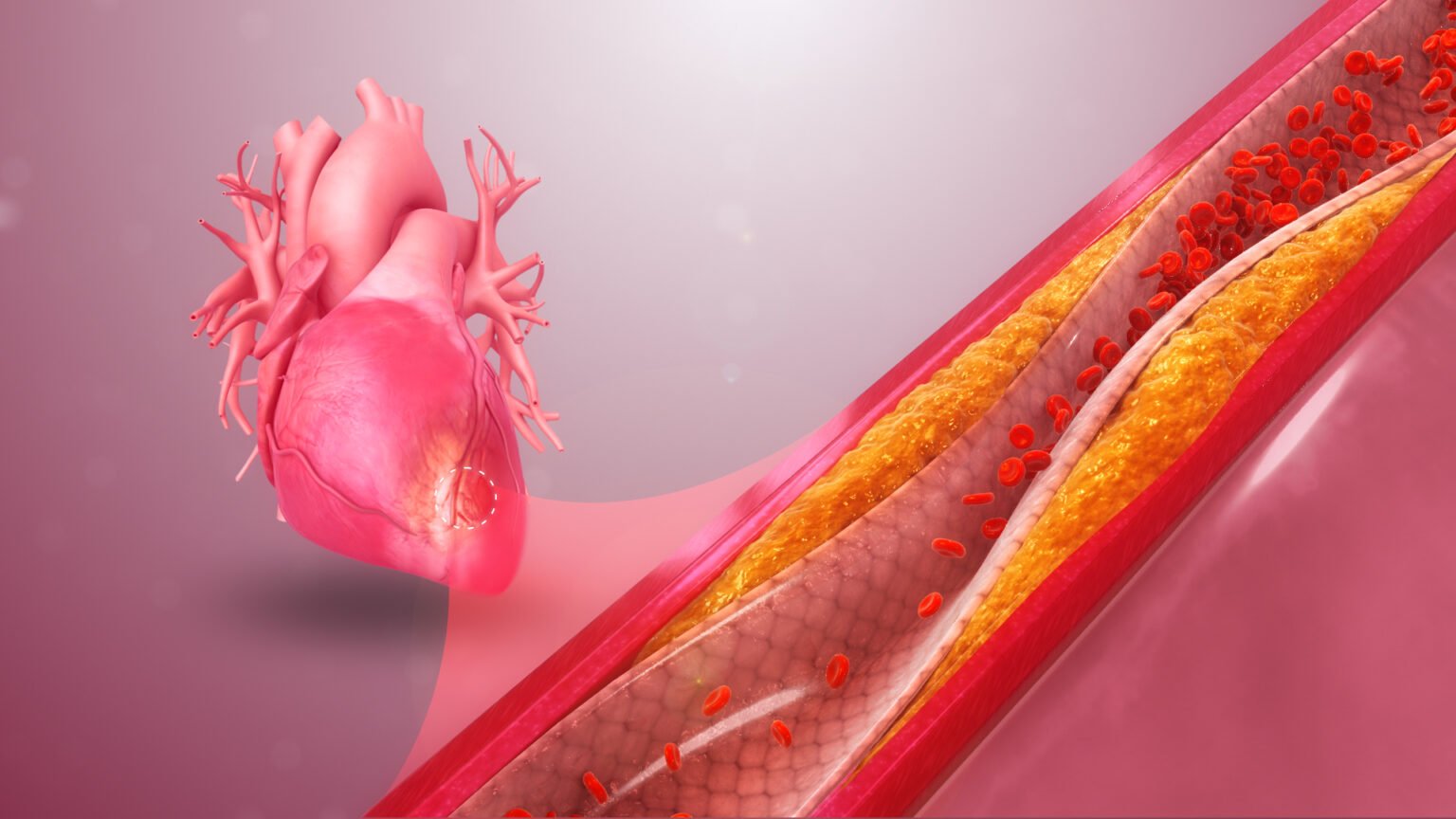
Coronary artery disease (CAD) occurs when the arteries that supply blood to the heart become narrowed or blocked, often due to plaque buildup. This can affect blood flow, increase the risk of chest pain or heart-related complications, and require proper medical evaluation. Here are some key things to know about CAD:
How Does CAD Develop?
The development of coronary artery disease generally begins with a condition known as atherosclerosis. As plaque builds up inside the arteries, the blood vessels become narrow and hard. The plaque consists mainly of cholesterol and calcium, and it coats the inner walls of the arteries.
Restricted blood flow deprives the heart muscle of the oxygen it needs. When lumps of plaque break off, they can create dangerous blood clots in the bloodstream. These clots can completely seal the artery, and the sudden blockage causes a heart attack.
What Are the Warning Signs?
Patients must identify the physical symptoms of CAD early in the process. While some people remain completely asymptomatic, others experience some changes in their daily lives. Here are some of them:
- Chest pain: Patients often feel angina or a tight squeezing sensation in the chest area.
- Shortness of breath: Breathing becomes highly difficult during minor physical activities.
- Fatigue and weakness: A lack of oxygen supply causes a general feeling of bodily exhaustion.
These specific symptoms indicate a decrease in overall heart function. Early detection is a key factor in heart health and helps prevent severe medical complications.
What Are the Risk Factors?
Patients can control several risk factors associated with this vascular condition. Although genetics play a distinct role, daily lifestyle choices significantly impact heart health. Patients should adopt healthier daily habits, or they risk arterial blockages. High cholesterol levels directly contribute to the initial formation of plaque in the body. Whenever you eat foods high in saturated fats, you increase your circulating cholesterol levels. Individuals should think about adopting a diet rich in fresh vegetables and limiting processed foods.
Regular exercise improves overall cardiovascular function and physical endurance. When patients maintain an active lifestyle, their hearts pump blood more efficiently throughout the body. Medical experts recommend daily physical activity, which helps keep the blood vessels flexible.
How Is CAD Treated?
Doctors utilize several clinical methods to treat coronary artery disease effectively. After the provider assesses the condition, they create a targeted treatment program for the patient’s needs. Here are some of the ways providers treat CAD:
- Medications: Beta-blockers and statins reduce cholesterol and manage high blood pressure.
- Balloon angioplasty: A doctor inflates a tiny balloon inside the blocked artery to squash the plaque.
- Stent placement: Providers insert a small mesh tube to hold the artery open and maintain steady blood flow.
Prevention remains the most effective strategy against coronary heart disease. While medical treatments clear existing blockages, a healthy lifestyle often prevents new plaque from forming.
Book Your Coronary Artery Disease Evaluation
Coronary artery disease is a serious condition that develops when plaque builds up in the arteries, restricting blood flow to the heart. Effective treatments such as balloon angioplasty or stent placement can address existing blockages, but prevention remains the most reliable strategy for long-term heart health. Making lifestyle adjustments, managing blood pressure, and attending regular cardiology checkups can help patients reduce their risk and maintain steady cardiac function. Contact a qualified cardiologist near you to book your CAD evaluation today.







