


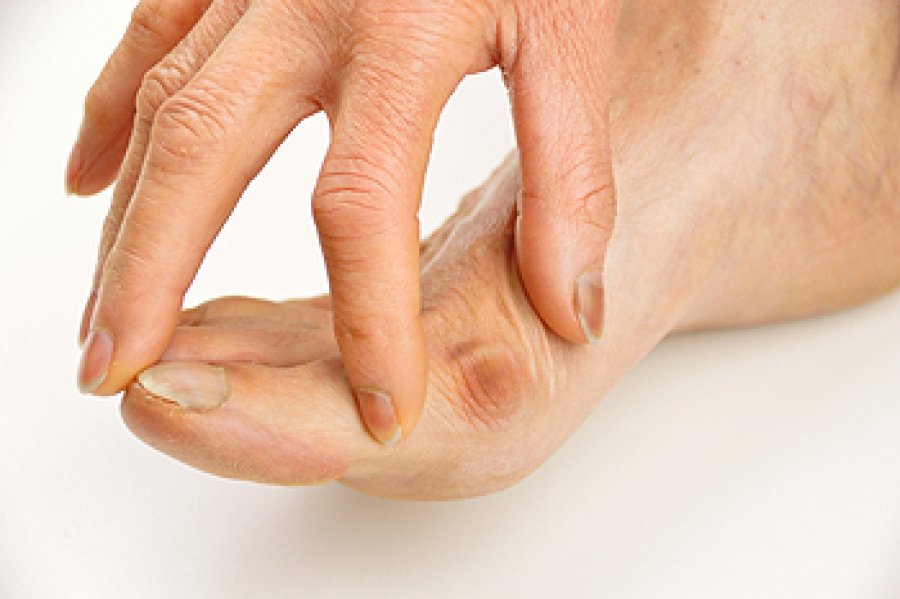
A bunion is a painful bony bump on the base of your big toe. Genetics and poorly fitting shoes cause this structural foot deformity. The skin over the bump becomes red, and the joint feels stiff during daily activities. Here is more information about bunions, how they form, and what the treatments are:
Causes of Bunion Formation
Multiple factors contribute to the development of bunions. Genetics dictates your foot structure, and this inherited shape plays a role in joint instability. If you have lupus or rheumatoid arthritis, your risk of developing bunions increases.
Medical conditions also lead to joint problems. Rheumatoid arthritis causes severe inflammation, and this disease damages the protective cartilage within the toe joint. Because the joint weakens over time, the bones shift out of their normal alignment. Foot injuries also trigger joint instability.
Effects of Improper Footwear
If you wear shoes with a narrow toe box, your toes squeeze together tightly. Improper shoes force your toes into unnatural positions. High heels push your body weight forward, and this pressure overloads the front of your foot.
Certain shoe styles accelerate joint damage. Doctors suggest avoiding narrow toe boxes, and you should pick supportive styles because they protect your feet. Here are some things to avoid when choosing proper footwear:
- Pointed toes: These squeeze your digits into a tight triangle shape.
- Stiff materials: These refuse to stretch around your natural foot contours.
- High heels: These shift your weight forward, and they place extreme pressure on the toe joint.
A lack of proper shoe support affects your walking stride. The altered gait can place extra stress on the big toe, and this repetitive motion worsens the deformity. Unless you change your footwear habits, the bump will continue growing larger.
Characteristics of Proper Shoes
Proper footwear protects your joint health. You must select shoes with a wide toe box, and this extra space allows your toes to rest flat. When you walk in supportive shoes, your feet maintain proper structural alignment.
Materials matter for foot comfort. Soft leather or mesh stretches easily, and these flexible materials accommodate the natural shape of your foot. Because rigid shoes cause friction, soft materials prevent painful blisters on your toes.
Your shoes need a secure fastening mechanism. Laces or adjustable straps hold your heel firmly in place, and this stability stops your foot from sliding forward. If your foot slides into the front of the shoe, your toes may crowd against restrictive fabric.
Treatments for Existing Bunions
Medical professionals offer several solutions for joint pain. Conservative treatments relieve discomfort, but they do not reverse the physical bony deformity. If your pain remains mild, your doctor might recommend padded shoe inserts.
Patients utilize various conservative care methods for symptom relief. You can apply ice packs to reduce joint swelling, and your doctor has the ability to prescribe medical devices to support the foot structure. These tools provide comfort, but they do not cure the underlying deformity.
Common options for symptom management include:
- Custom orthotics to align your foot correctly.
- Toe spacers to separate your digits during the night.
- Splints to hold the joint straight while you sleep.
When conservative therapies do not achieve the desired result, doctors may suggest surgical intervention. Recovery takes several weeks. A surgeon realigns the bones, and this procedure repairs the damaged joint tissue.
Learn More About Bunions
Bunions cause significant daily discomfort. Genetics dictate your baseline risk, but your daily footwear choices determine the progression of the deformity. While proper shoes prevent early joint damage, advanced cases require professional medical care. If you want to learn more about bunions and treatment, consult a podiatrist near you.







