


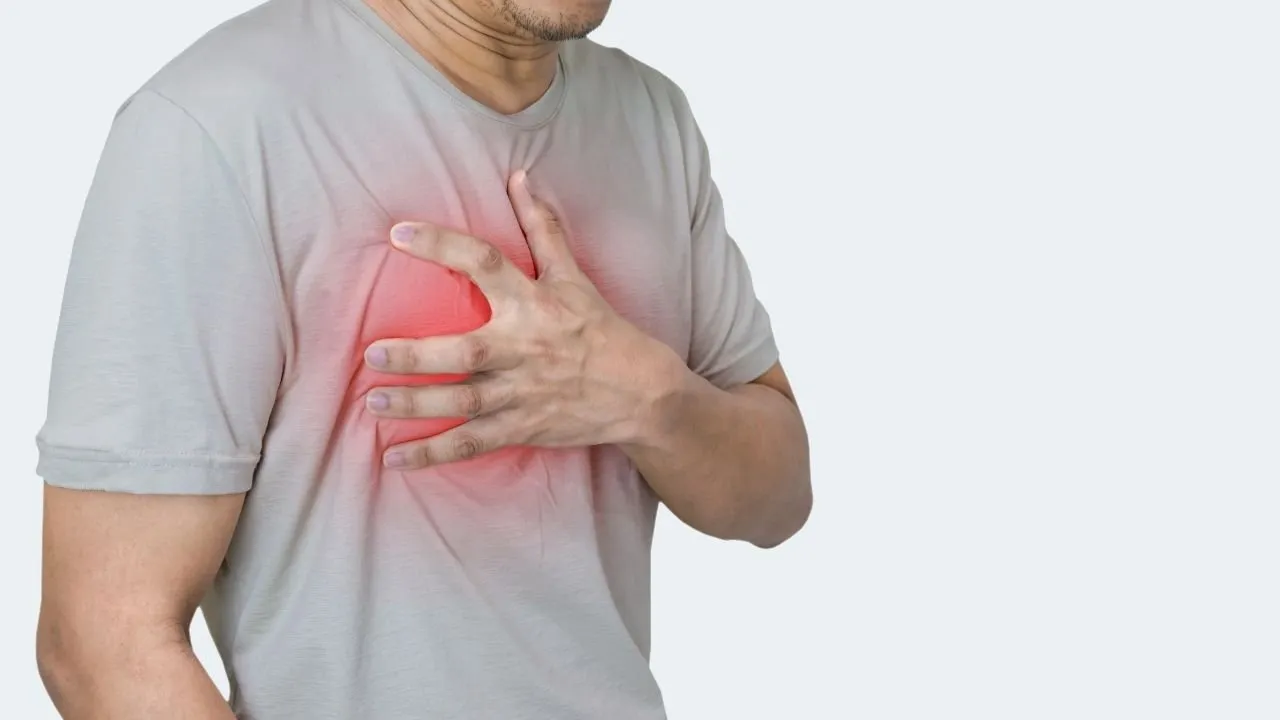
Chest pain is often associated with heart-related concerns, but stress may also play a role in how it develops or feels. Physical tension, anxiety, and emotional strain can all contribute to discomfort in the chest, sometimes making it difficult to understand the cause without proper evaluation. Here is more information on the connection between chest discomfort and stress:
Understanding Stress-Related Pain
Psychological stress initiates a powerful physiological response within the human body. The brain releases adrenaline, and the adrenal glands pump cortisol into the bloodstream. As these hormone levels peak, patients often experience sudden chest pain.
Muscle tension is another fundamental cause of this physical symptom. Stress causes involuntary muscle spasms in the upper body, and this tightness creates severe pressure around the ribcage. While this chest discomfort feels alarming, it usually subsides after the stressful event resolves.
Hyperventilation often accompanies severe panic attacks. Patients take rapid breaths, and the chest wall muscles become fatigued quickly. When the respiratory rate drops, the associated chest pain typically diminishes.
Recognizing Serious Warning Signs
Cardiac emergencies require immediate medical intervention. Some symptoms indicate life-threatening conditions, and doctors recommend rapid medical evaluations for these signs. If you experience the following, you must seek emergency medical care immediately.
- Pain radiating to other body parts: Discomfort spreading to the arms, neck, or jaw often signals a heart attack.
- Shortness of breath: Difficulty breathing accompanied by chest pressure may indicate cardiovascular failure.
- Nausea and dizziness: Lightheadedness combined with chest pain warrants an immediate trip to the emergency room.
- Prolonged duration: Chest discomfort lasting longer than a few minutes suggests a severe cardiac event.
Patients must never ignore these severe cardiac warning signs. A prompt medical evaluation saves lives, and early intervention can prevent permanent heart damage.
Comparing Chest Pain Types
Doctors use specific criteria to differentiate between these two conditions. Stress-induced chest pain typically feels sharp, and it often remains localized to a small area. Cardiac chest discomfort usually presents as a heavy pressure that spreads across the entire chest wall. The triggers for these symptoms differ significantly. Emotional distress directly provokes anxiety-related pain, but physical exertion usually triggers angina or cardiac events. If a patient rests quietly, cardiac pain may subside gradually.
Taking the Right Steps
A systematic response can help manage sudden physical symptoms effectively. Here are fundamental guidelines to take:
- Stop your current activity: Rest completely to lower your heart rate and reduce physical strain.
- Assess the pain characteristics: Note the exact location, duration, and type of chest discomfort you feel.
- Practice deep breathing: Slow and regulated breaths help alleviate stress-induced muscle tension quickly.
- Seek medical assistance: Call emergency services if the symptoms mirror the severe warning signs discussed earlier.
These steps provide a clear action plan during high-stress situations. Proper assessment prevents panic, and immediate medical care addresses true cardiac emergencies.
Book Your Chest Pain Appointment
Recognizing the potential causes of chest discomfort and understanding the difference between stress-related symptoms and true cardiac emergencies is fundamental to your health. Implementing practical techniques such as controlled breathing can help manage high-stress situations effectively. It is key to seek medical guidance when experiencing new or concerning sensations to promote your safety. Contact a qualified cardiologist near you to book your chest pain appointment today.







