


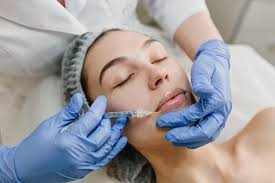
Doctors utilize numerous specialized surgical methods to alter body aesthetics safely within regulated clinical environments. Modern plastic surgery encompasses both technical reconstructive operations and elective aesthetic modifications aimed at changing body proportions. Reconstructive procedures correct certain aesthetics that may stem from physical trauma, and aesthetic operations modify the dimensions of the body to specific personal preferences. Plastic surgery procedures can help people in many different situations, including individuals who have lost or want to lose weight.
Body Contouring
Body contouring refers to a very broad category of targeted plastic surgery procedures focusing primarily on the removal of excess loose skin and fat deposits. Surgeons remove extra tissue through strategic surgery, or they utilize specialized devices to extract lipid accumulations. When patients undergo weight loss, they may request specific contouring operations to remove any hanging tissue.
Medical professionals assess the elasticity of the patient’s skin, and they evaluate the distribution of adipose tissue across the body. Because every anatomical structure presents unique characteristics to the medical team, the operating surgeon develops a customized operative plan for each individual surgical case. Surgical markings are drawn on the patient’s skin prior to beginning surgery.
After the surgical team completes an operation, the patient moves into a recovery area for observation. Postoperative recovery protocols may require daily use of specific compression garments, and doctors can prescribe standard pain management medications during the recovery period. Trained medical staff monitor the recovering patient’s vital signs throughout the postoperative observation phase.
Breast Augmentation
Augmentation surgeries require precise tissue management, and the attending medical team monitors any changes in vital signs during the surgery. Breast augmentation modifies the size and structural shape of the chest using synthetic implants or fat transfer techniques. If a patient chooses either silicone or saline devices, the surgeon places these implants either behind the mammary gland or underneath the major pectoral muscle. Fat transfer augmentations involve removing fat from other areas of the body before placing it within the breast. Some augmentations may also involve the removal of excess skin, lifting and repositioning tissue to sit higher on the chest.
While surgical incisions heal, patients may be given recommendations, like following physical activity limitations to prevent complications. The settling of the inserted implants often occurs gradually following the initial operation. Surgeons often provide detailed postoperative instructions about daily recovery, so patients clearly understand any restrictions on physical exercise.
Tummy Tuck
In a tummy tuck, the overall abdominal profile is flattened. Before the surgeon closes the primary horizontal incision across the lower abdomen, they can reposition the natural umbilicus to match adjusted skin tension. A standard tummy tuck usually involves the surgical removal of excess hanging abdominal skin, and the operating surgeon tightens the underlying muscular fascia to restore foundational abdominal wall integrity. This kind of surgery can be helpful to women who have had a cesarean section.
Schedule a Plastic Surgery Consultation
If you’re interested in contouring your body through plastic surgery, you can schedule a consultation with a licensed professional. At a consultation, a doctor can assess proper methods for future surgical procedures. You can ask questions about specific methods of surgery, or inform the physician of your aesthetics goals. Contact an aesthetics office today.







