


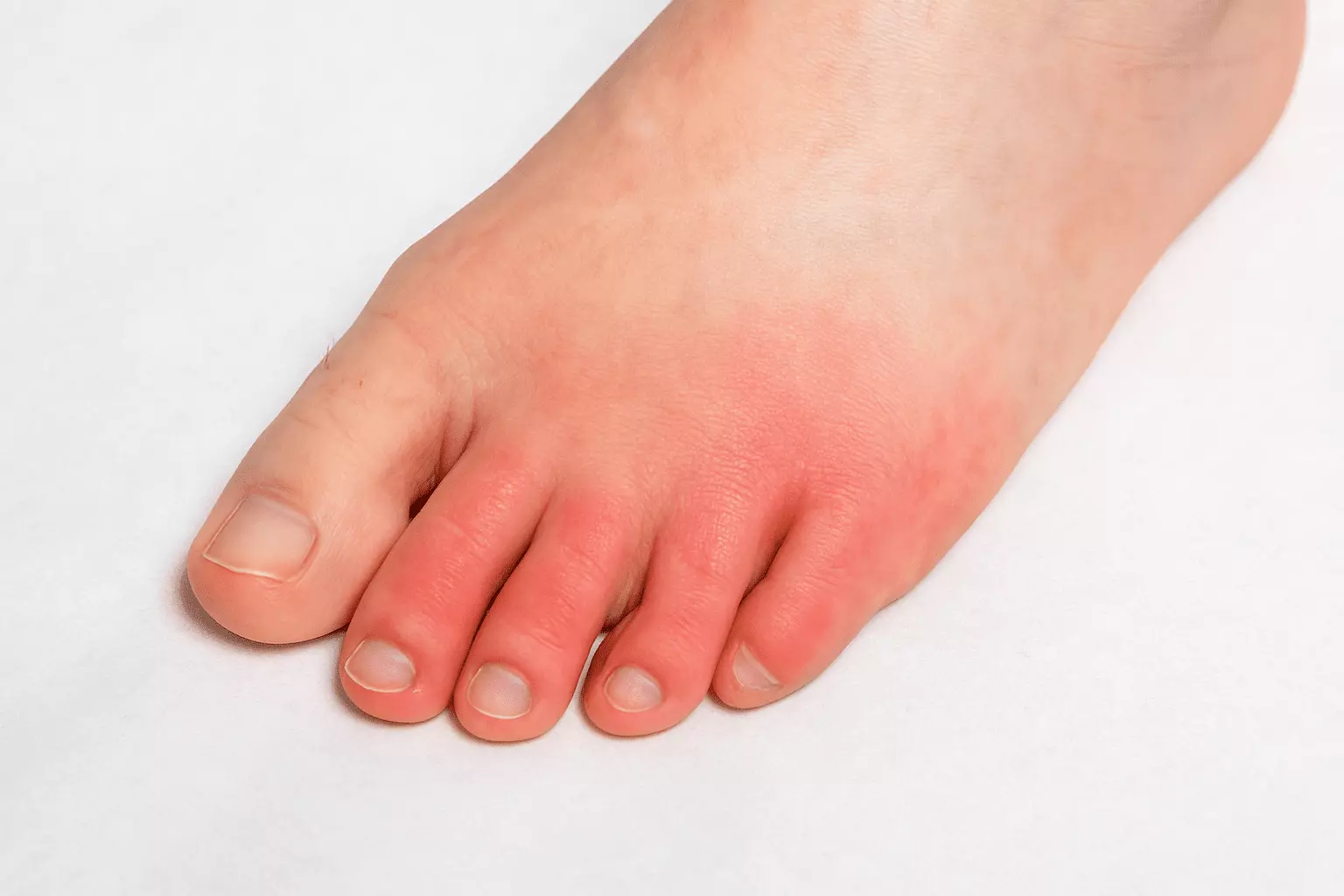
Venous insufficiency is a common structural issue that occurs when the veins in your lower extremities have difficulty sending blood back to your heart. The body must constantly work against gravity to move blood from the feet upward. Normally, one-way valves in your veins keep blood flowing upward, but these valves can weaken or become damaged over time. When these valves fail to close properly, blood flows backward and pools in the lower legs. This pooling directly causes poor circulation in the legs, leading to symptoms like swelling, heaviness, and pain. Here’s information on common causes of poor circulation in legs:
Obesity
Excess body weight places a continuous mechanical burden on the circulatory system, particularly in the lower half of the body. A larger abdominal mass exerts downward pressure on the pelvic veins, which forces the veins in the legs to work much harder to push blood upward. This added stress can stretch the vein walls and damage the delicate valves responsible for maintaining proper circulation. This mechanical strain frequently leads to venous insufficiency.
Genetic predispositions also have a key role in overall vascular health. If you have a family history of venous disease, your baseline risk of developing circulation issues increases. Carrying excess weight exacerbates these inherited vulnerabilities, compounding the stress on already susceptible veins. Understanding this relationship between weight and family history is valuable for long-term vascular management.
Promoting better circulation in legs involves adopting simple, everyday habits that support vascular mechanics. Regular physical activity encourages the leg muscles to contract, and these contractions help pump blood back toward the heart. The calf muscles act as a secondary heart, squeezing the veins with each step. Elevating your legs above heart level while resting can also facilitate venous return by utilizing gravity to your advantage. Wearing supportive compression garments provides external pressure to the veins, preventing excessive expansion and fluid pooling. Avoiding prolonged periods of stagnant standing or sitting reduces the continuous strain on the lower extremities.
Diabetes
Diabetes is a systemic condition that directly affects the structural health of blood vessels throughout the body. High blood sugar levels can cause damage to the vascular lining over time, and this damage impairs the efficient flow of blood. This chronic elevation of blood glucose leads to inflammation and the hardening of arterial walls, a condition closely linked to peripheral artery disease.
In the legs, this compromised circulation reduces the volume of oxygen-rich blood reaching the tissues. Individuals may notice signs such as:
- Cramped Muscles During Physical Activity
- Changes in Skin Temperature
- Reduced Ability To Heal (Even From Minor Scrapes or Cuts)
Because diabetes narrows the passageways that supply the lower extremities, managing blood glucose levels remains a fundamental component of preserving vascular health.
Deep Vein Thrombosis
Deep vein thrombosis (DVT) is a condition characterized by the formation of a solid blood clot within a deep vein. These clots typically develop in the large veins of the lower legs, thighs, or pelvis. The presence of a clot acts as a direct physical blockage, obstructing the normal return pathway of blood to the heart.
This internal obstruction forces blood to find alternative routes, which increases venous pressure in the surrounding vessels. The elevated pressure stretches the veins and permanently damages the internal valves. Even after a clot resolves, the residual damage often leaves the vascular structures compromised. As a result, individuals with a history of deep vein thrombosis frequently experience chronic poor circulation in the affected limb, underscoring the physical impact of internal blockages.
Improving Poor Circulation in Legs
By integrating lifestyle adjustments combined with regular visits with a vascular specialist, you can improve your leg circulation. Living with chronic venous insufficiency can impact your quality of life, but effective treatments are available. Contact a vascular specialist to schedule a consultation today.







