


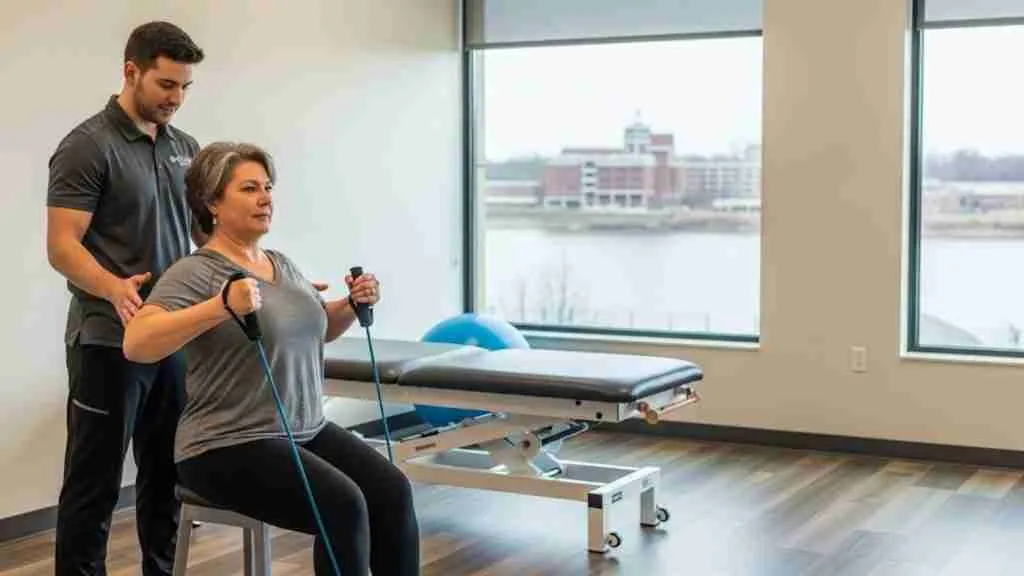
Physical therapy is a medical discipline focused on restoring movement, which helps relieve pain and resolve many physical ailments. Patients may seek this clinical approach for various musculoskeletal issues. The process targets the root causes of physical limitations, so some patients often regain mobility after consistent sessions. Here is more information on this therapy, what it involves, what it treats, and its benefits:
What Is Physical Therapy?
This specialized medical field uses physical methods to promote healing, and practitioners tailor interventions to specific bodily injuries. Clinical experts assess functional limitations to develop targeted recovery protocols. Physical therapy focuses on mechanical function, potentially minimizing the need for surgical procedures. Practitioners rely on evidence-based practices to restore normal movement patterns.
The medical discipline is grounded in the principles of biomechanics and kinesiology. Practitioners may utilize physical stimuli to provoke a positive physiological response in damaged tissues. This clinical process gradually rebuilds strength, but it requires active patient participation.
What Does It Involve?
A typical session begins with a comprehensive medical evaluation, after which the therapist creates a structured treatment plan. The clinical assessment may measure range of motion, muscle strength, and joint mobility. Patients subsequently participate in specific therapeutic exercises to improve these physical metrics.
The therapeutic process integrates several distinct modalities. A physical therapist may use manual therapy techniques and specialized equipment during a session. Standard clinical methods include:
- Stretching exercises for tissue flexibility
- Resistance training for muscle growth
- Modalities like heat or cold application
Patients may receive detailed home exercise programs, and these daily routines reinforce the progress made during in-clinic sessions. The therapist continuously monitors physical responses to adjust the intervention strategy. Data collection drives the clinical decision-making process, enabling the treatment plan to evolve alongside the patient’s recovery.
What Issues Does It Treat?
Physical therapy addresses a wide spectrum of physical conditions, and it serves patients across various age groups. Practitioners treat sports injuries, chronic pain conditions, and post-operative recovery challenges. Therapists also manage neurological disorders, so patients with stroke receive specialized motor training. Clinical interventions may target the following medical conditions:
- Osteoarthritis and rheumatoid arthritis
- Rotator cuff tears and shoulder impingement
- Spinal cord injuries and multiple sclerosis
Patients may improve their functional endurance through supervised conditioning.
What Are the Benefits?
A primary benefit of physical therapy is pain reduction, and therapeutic exercises may eliminate the need for heavy medications. Patients may experience improved joint mobility following a structured clinical program. The treatment strengthens compromised muscle groups to prevent future physical injuries. Consistent therapy also helps improve overall balance, reducing the risk of accidental falls.
Another benefit involves the avoidance of invasive surgeries. Physical therapy helps injured tissues heal naturally, reducing the physical toll on a recovering patient. Some conditions still require advanced intervention, but therapy may improve postoperative outcomes. This clinical approach supports long-term physical independence.
Consult a Physical Therapist Today
Physical therapy offers a structured plan for physical recovery. Prompt medical attention helps prevent minor injuries from becoming chronic conditions, and early physical intervention helps speed up the overall healing timeline. A dedicated therapist provides precise guidance throughout the entire rehabilitation process. Book an appointment with a local clinic to begin your recovery.







