


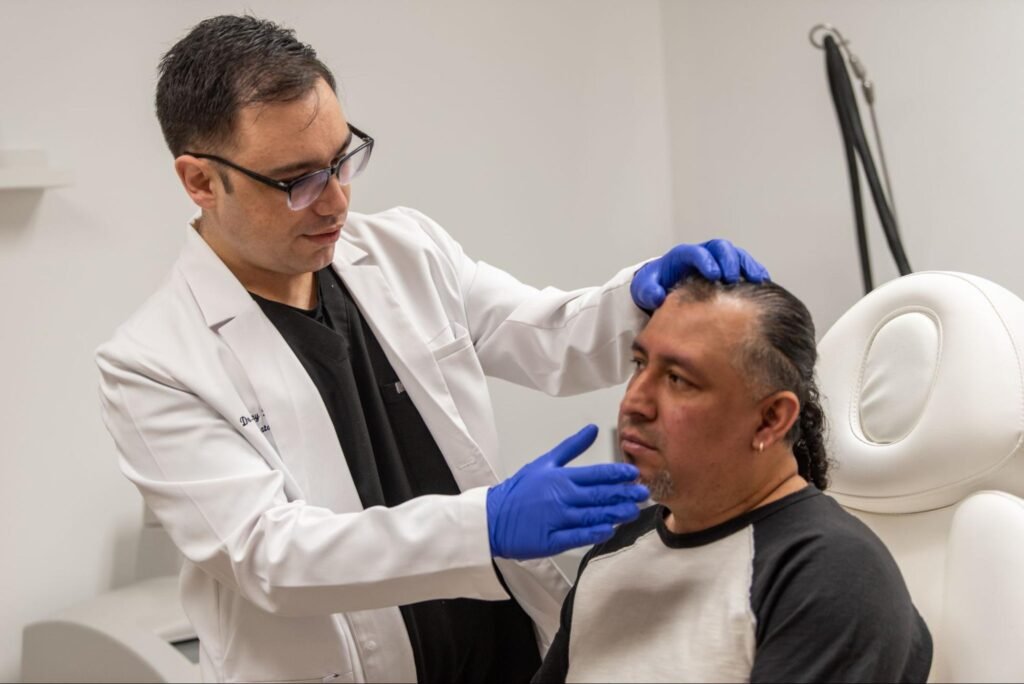
A visit to a dermatologist is a standard medical procedure for assessing skin health, and it requires some basic preparation. Patients benefit from seeking care for chronic skin issues and scheduling routine checkups for preventative care. Understanding the steps involved in a consultation helps set clear expectations. Here is more information on the standard practices during an initial dermatology appointment:
What Is a Dermatologist?
A dermatologist is a medical doctor who specializes in conditions affecting the skin, hair, and nails. These professionals diagnose a wide range of dermatological issues across different age groups. Their medical background allows them to prescribe medications, and they perform surgical procedures as needed.
What Services Do They Provide?
Dermatologists offer medical, surgical, and cosmetic services to address various skin health needs. Medical services include diagnosing rashes or infections, while surgical services involve removing skin lesions. Some practitioners also offer cosmetic treatments, allowing patients to receive targeted care for aesthetic concerns. The specific services offered depend on the clinic and the doctor’s area of specialty.
Preventative care is a major component of dermatological practice. Doctors conduct routine skin exams to monitor for abnormalities, and they use specialized tools to examine suspicious moles. Early detection of skin irregularities may lead to better patient outcomes, necessitating regular screenings.
What Conditions Do They Treat?
These specialists manage chronic skin conditions like acne, eczema, and psoriasis. They evaluate the severity of symptoms, and they develop individualized management plans for each patient. Treatment strategies may involve topical creams, oral medications, or light therapy. Patients receive ongoing monitoring, which helps professionals track the progress of these persistent conditions.
Dermatologists treat acute issues such as skin infections, allergic reactions, and severe sunburns, and they diagnose complex disorders involving hair loss or nail fungus. Skin cancer diagnosis is a primary focus, with doctors identifying melanomas or carcinomas during evaluations. Timely medical intervention prevents these conditions from progressing.
What Does a Consultation Involve?
The initial consultation begins with a comprehensive review of the patient’s medical history. The doctor will ask about current medications, and they will discuss any specific skin concerns the patient has. Patients then undergo a physical examination of their skin, during which the doctor examines their body and focuses on specific problem areas.
Diagnostic tests may be necessary to confirm a suspected condition during the visit, and the dermatologist may perform a skin biopsy. They may also take a swab for laboratory testing. These diagnostic procedures are typically quick, being performed directly in the examination room. Test results will guide the subsequent formulation of the treatment plan.
The final stage of the consultation involves discussing potential treatment options. The doctor may explain the benefits of specific medications, which help the patient make medical decisions. Patients may receive a structured plan outlining how to apply treatments at home, and follow-up appointments are usually scheduled to assess their response to the prescribed therapy.
How Can You Prepare?
Proper preparation helps the doctor conduct a thorough and accurate evaluation. Compile a list of current medications, and note any previous skin treatments tried. Arriving with a clear medical background record helps save time during the consultation, facilitating an informed discussion and evaluation.
Know What To Expect
An initial dermatology visit is a structured process to systematically evaluate your skin health. The doctor reviews your medical history, and they perform a careful physical examination. Following the examination, you may receive a diagnosis and targeted treatment plan. Schedule an appointment with a licensed clinic today to address your dermatological needs.







