


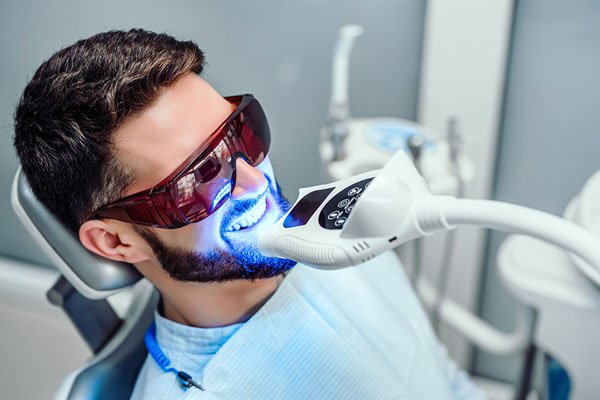
Teeth whitening is a common cosmetic dental treatment that addresses certain types of tooth discoloration. Some tooth discoloration does not respond to teeth whitening treatments, but many types of stains can be lightened and lifted away with an in-office teeth whitening treatment. Here is more information about teeth whitening:
Reviewing the Causes of Discoloration
Teeth can become discolored for a variety of reasons, and the type of discoloration affects whether teeth whitening will be an effective measure. Extrinsic stains sit on the outer surface of the enamel, and these are typically caused by:
- Coffee, tea, and red wine
- Tobacco use
- Certain foods with strong pigments
Intrinsic discoloration is staining that occurs deeper within the tooth structure. This type of discoloration can result from aging, certain medications, or excessive fluoride exposure during tooth development. Professional whitening treatments are most effective on extrinsic staining, but some cases of intrinsic discoloration may also respond well depending on the cause.
Preparing for Your Whitening Treatment
An in-office whitening treatment is a professionally administered procedure that uses a high-concentration bleaching agent to lighten the teeth. Before the procedure begins, a dental professional will examine the teeth and gums to check for any conditions that need attention first. A cleaning may be performed to remove plaque and tartar buildup; surface debris sometimes interferes with how evenly the whitening agent is absorbed. Your dental provider will also note your current shade and discuss realistic expectations based on your specific type of discoloration.
Whitening Your Teeth
Once preparation is complete, the procedure begins. A protective barrier is applied to the gums, and the whitening gel is placed directly on the teeth. Some treatments use a special light to activate the bleaching agent. The gel is left on for the appropriate amount of time, possibly totaling two hours.
After the treatment, there are some patients who notice tooth sensitivity. This symptom tends to be temporary and subsides on its own. Your dental team will provide aftercare guidance, and they can help support you in caring for your treated teeth.
Maintaining Your Results
In-office whitening delivers noticeable results in a single visit, and teeth can appear several shades lighter after one session. The procedure is completed under professional supervision, which means the strength of the whitening agent is matched to your needs. Maintaining results over time takes some adjustments to daily habits:
- Avoid staining foods and beverages, or drink them through a straw
- Use a whitening toothpaste to slow re-staining
- Schedule periodic touch-up treatments as recommended by your dental provider
Visiting your dental provider twice a year for professional cleanings and other dental services helps maintain your oral health and the white shade of your teeth.
Learn More About Teeth Whitening
Teeth whitening is a cosmetic treatment that effectively addresses surface and some deeper staining. An in-office whitening session will have faster, more dramatic results than common retail products; for discoloration that does not respond to whitening, veneers are an alternative worth discussing with a dental provider. To learn more about whitening your teeth, consult a dental professional near you.







