


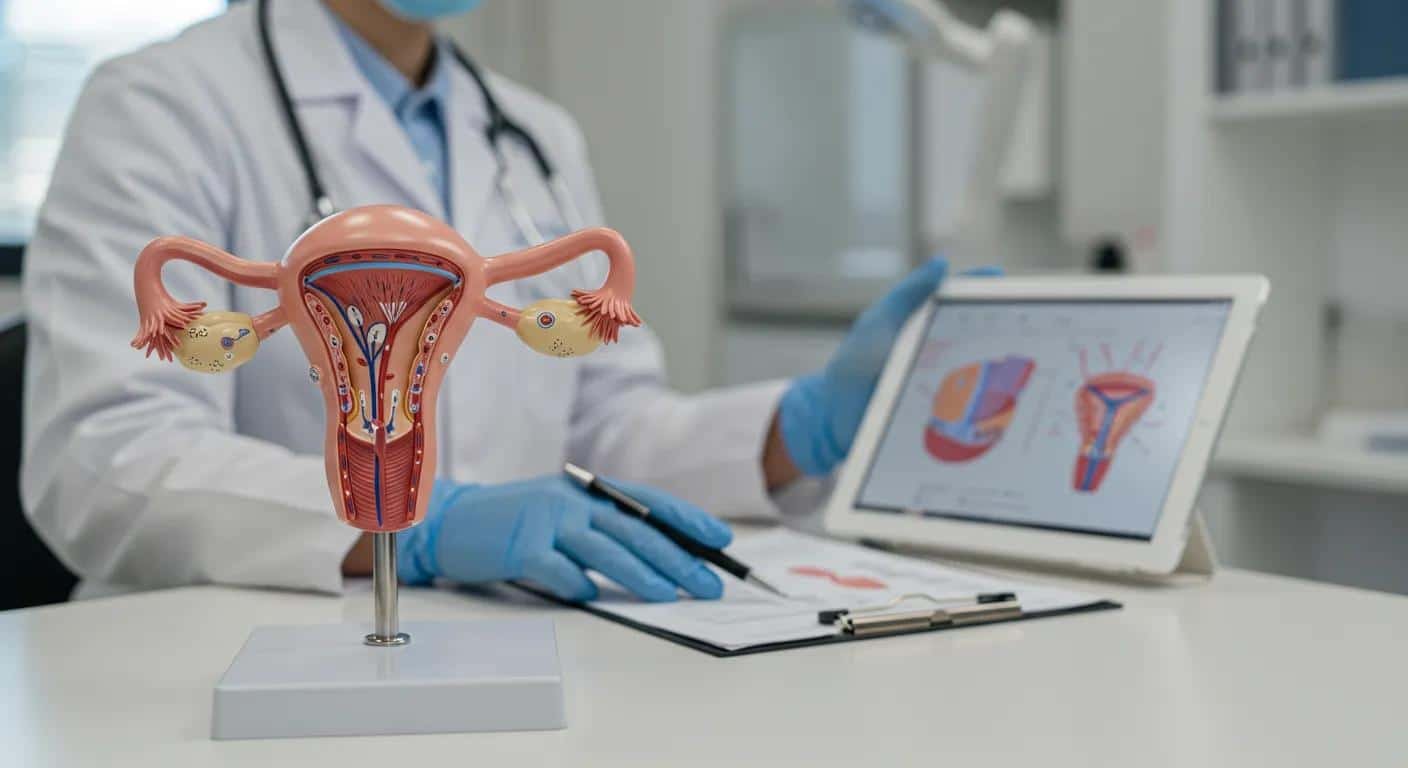
Pelvic pain refers to discomfort occurring in the lowest part of the abdomen and pelvis. Because the pelvic region houses multiple organ systems, finding the exact source requires a medical assessment. Understanding these causes helps individuals make informed health decisions, and recognizing warning signs early may lead to better outcomes and faster relief.
What Can Cause Pelvic Pain?
Several urological conditions cause pelvic pain. Identifying the root cause begins effective management. Urinary tract infections are a frequent source of pelvic discomfort. These infections occur when harmful bacteria enter the urinary system; they often affect the bladder or the urethra. While they occur in all demographics, anatomical differences make them highly prevalent in women. The close proximity of the urethra to other areas allows bacteria like E. coli to migrate easily.
Kidney stones represent another frequent source of sharp pelvic and abdominal distress. These hard deposits consist of crystallized minerals and salts that form inside the kidneys. Once these solid masses exit the kidney and travel down the narrow ureter toward the bladder, they generate significant irritation along the urinary tract. Prostate conditions may result in localized pelvic pain. The prostate is a small gland in men situated below the bladder that produces seminal fluid. When abnormal cells divide uncontrollably within this gland, prostate cancer can develop.
When Should You Seek Care?
Recognizing specific symptoms helps determine the necessity of a medical visit. Distinct conditions produce overlapping but unique signs that require careful observation. Individuals with a urinary tract infection typically report a strong, persistent urge to urinate. They may pass small amounts of urine, experiencing a distinct burning sensation during the process. The urine might appear cloudy, show traces of blood, or emit a strong odor.
Kidney stones typically produce a sharp, shooting pain. This sensation often starts in the side or lower back, radiating downward into the groin and lower abdomen. The intensity of the discomfort frequently fluctuates in waves, and a persistent need to use the restroom often accompanies the physical pain.
Prostate-related issues present uniquely in men, narrowing the scope for diagnosis. Symptoms include difficulty urination or noticing blood visible in the urine or semen. Discomfort in the pelvic area often accompanies these urinary changes. You should seek medical care when pelvic pain becomes severe, persistent, or accompanies systemic symptoms like high fever, chills, or an inability to urinate. Sudden and intense pain warrants immediate medical evaluation.
How Are These Conditions Treated?
Physicians frequently order a urinalysis to check for white blood cells and bacteria, which can indicate an active infection. Blood tests help identify high levels of minerals in the bloodstream. Ultrasound and CT scans offer clear views of the internal organs, revealing the exact size and location of kidney stones. Men might undergo a digital rectal exam or a prostate-specific antigen blood test to thoroughly evaluate prostate health.
Treatments align directly with the diagnosed condition to restore normal function. Medical providers typically prescribe antibiotics to clear a urinary tract infection. For kidney stones, a doctor might advise increased fluid intake and prescribe pain relievers to help pass small masses naturally. Larger stones often require minimally invasive procedures, such as extracorporeal shock wave lithotripsy. Prostate cancer management ranges from active surveillance to targeted surgical intervention.
Confer With a Urologist
Pelvic pain serves as a clear signal that the body requires attention. Ignoring persistent discomfort can lead to worsening symptoms, resulting in complications that severely disrupt daily life. Proper medical evaluation provides accurate answers and offers targeted relief strategies based on your unique biology. A urologist specializes in the urinary tract and male reproductive organs.







