


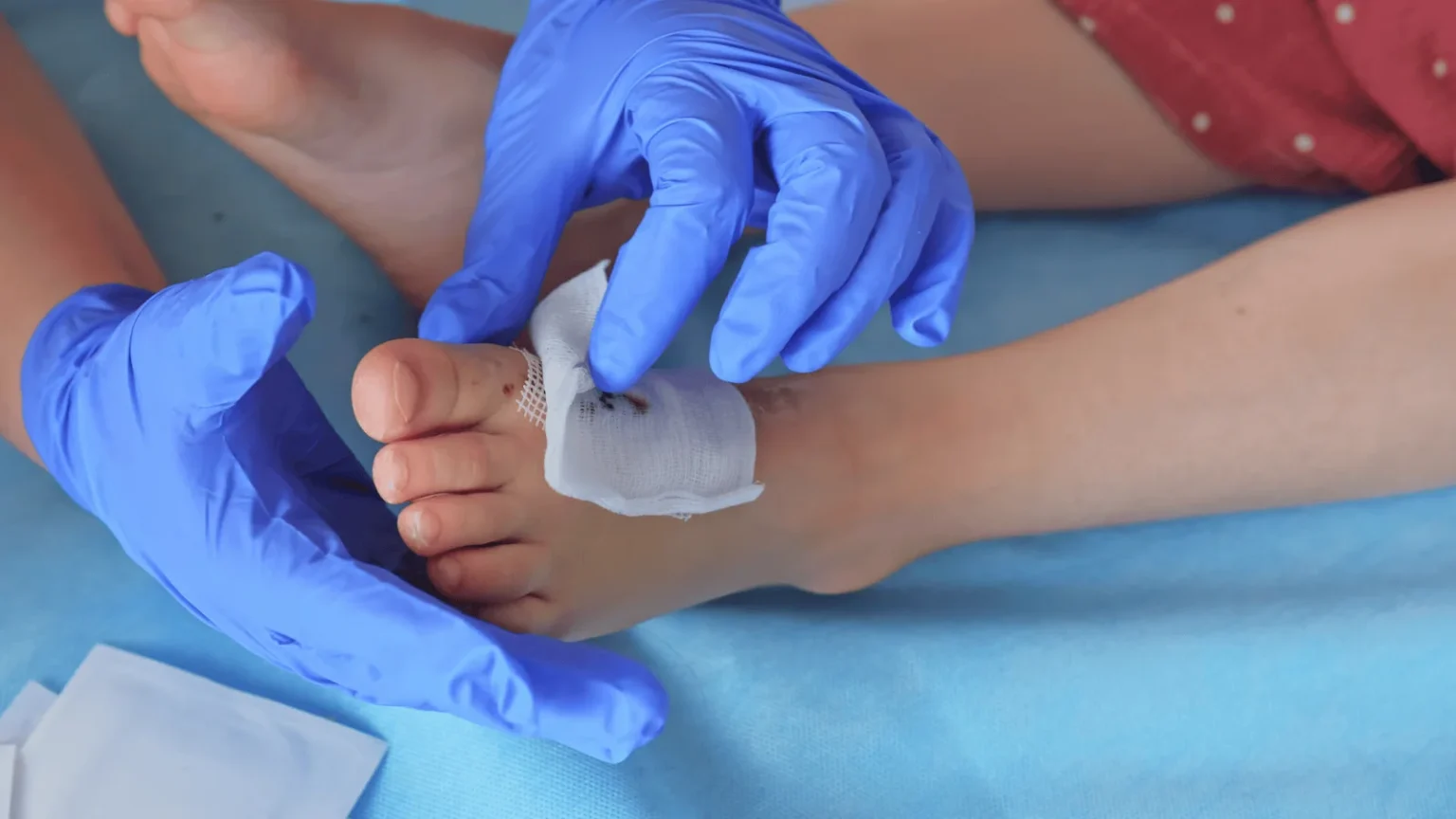
Proper wound care supports physical recovery after a traumatic injury or surgical procedure. Minor cuts, scrapes, and superficial abrasions typically resolve on their own with basic first aid, but some injuries require professional medical attention to prevent complications. Recognizing when to involve a trained clinician can make a difference in your overall healing. Here is some information about when to seek help for wound care:
Signs of Infection
Identifying signs of infection early is key to getting prompt treatment and preventing further complications. An infection can occur when bacteria enter a wound and begin to multiply. Doctors will assess your wound and provide treatment; this prevents the infection from worsening. Some common infection symptoms to look for include:
- Spreading redness: The redness around the wound expands instead of fading.
- Increased warmth: The area around the injury feels warm to the touch.
- Worsening pain: Pain intensifies over time rather than improving.
- Pus or drainage: You notice thick, yellow, or green fluid coming from the wound.
- Fever: A fever can indicate that your body is fighting a systemic infection.
Wounds That Don’t Heal
Normal recovery follows a predictable timeline. Minor superficial injuries usually heal within a week, but deeper cuts require more time to fully heal. If you observe absolutely no visual improvement after two to four weeks of consistent home care, a medical provider should evaluate the site immediately.
Some underlying health conditions interrupt the body’s natural repair mechanisms. Individuals with diabetes frequently experience poor peripheral circulation, which restricts the oxygenated blood flow necessary for cellular regeneration. This means a persistent, unchanging sore on your foot or lower leg may require clinical attention. Wound care professionals assess the root causes of delayed healing, and they determine the next treatment steps. Chronic injuries often benefit from specialized dressings and regular clinical debridement.
Tissue Damage
Deep lacerations typically penetrate the protective epidermal layers, and they expose underlying anatomical structures to the external environment. You might see subcutaneous fat, muscle tissue, or even bone at the injury’s base. Jagged, uneven tissue edges make it difficult for the skin to naturally knit back together without assistance. These severe lacerations require stitches or surgical staples to completely close the visible gap. When a trained clinician flushes the area, microscopic debris and dead cells are removed, helping prevent infection.
Persistent Bleeding
When blood vessels sustain significant physical trauma, standard applied pressure might not fully stop active blood flow. You need immediate medical attention if blood continues to soak through thick layers of sterile gauze after several minutes of continuous compression. Spurting, bright red blood indicates severe arterial damage, and this scenario requires immediate emergency medical intervention. Elevating the injured limb or appendage above the heart usually helps slow the bleeding rate. A physician uses clinical techniques to stabilize ruptured blood vessels and safely close the open injury.
Visit a Wound Care Specialist
Medical providers deliver targeted interventions for complex, non-healing injuries. A specialist assesses your specific situation, and they formulate a structured treatment plan. Addressing active infections, severe tissue damage, and delayed recovery mitigates risks to your physical health. When you delay necessary treatment, minor issues often escalate into severe medical complications. Contact a wound care clinic today to schedule an evaluation.







