


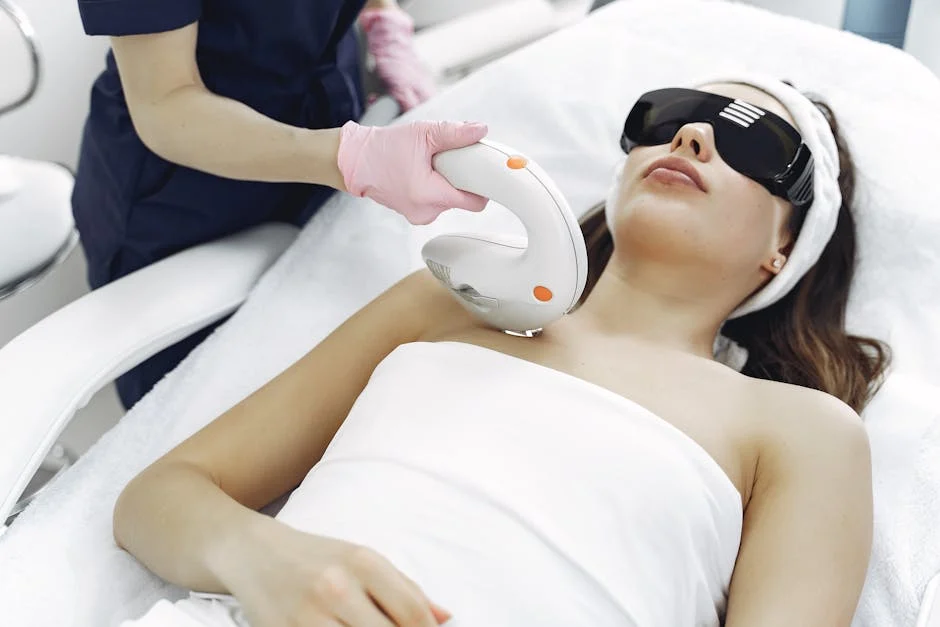
Laser hair removal is a medical procedure that uses a concentrated beam of light to remove unwanted hair. Understanding the procedure helps patients make informed decisions, so they can approach their treatment with realistic expectations. Here is more information on this treatment, where patients can receive it, and what the process involves:
What Is Laser Hair Removal?
Laser hair removal relies on specific wavelengths of light to target pigment in hair follicles. The light energy converts to heat, and this heat damages the follicles to inhibit future hair growth. The hair growth cycle consists of different phases, and lasers only affect hair in the active growth phase. Patients schedule sessions at specific intervals to target all hairs effectively.
Where Can You Get It?
Patients can receive this treatment at various medical centers, including dermatology clinics. Dermatologists effectively maintain skin health, and receiving treatment under a medical doctor’s supervision may improve results. A clinic environment provides access to advanced medical-grade lasers. Trained medical professionals assess individual skin conditions to tailor laser settings to each patient’s specific profile.
Consulting a dermatologist allows for a comprehensive review of underlying skin conditions before proceeding. Some patients possess medical conditions that cause excessive hair growth, and a board-certified dermatologist can diagnose these issues directly. A medical clinic provides a multidisciplinary approach to both cosmetic concerns and overall skin health.
How Does It Work?
The technology relies on the principle of selective photothermolysis to achieve hair reduction. A laser emits light at a specific wavelength, and the melanin in the hair shaft absorbs this targeted energy. The localized heat destroys the follicle’s structural integrity without damaging the surrounding tissue. A dermatologist calculates a suitable pulse duration based on the patient’s individual epidermal melanin content.
What Does the Process Involve?
The process begins with a thorough medical consultation and skin assessment, during which the practitioner reviews the patient’s medical history. They also examine the treatment area to determine the appropriate laser parameters. Patients benefit from avoiding sun exposure and plucking before the scheduled session.
During the procedure, the practitioner presses a hand-held laser instrument to the skin. The laser pulses deliver the targeted energy directly to the hair follicles. Post-treatment care requires specific attention to the treated area to optimize healing. Patients may experience temporary redness and swelling, but these symptoms typically resolve within a few hours.
What Are the Benefits?
This procedure offers long-term hair reduction across multiple body areas. It eliminates the need for frequent shaving or waxing, and it prevents the development of painful ingrown hairs. The precision of the laser targets coarse hairs while leaving the surrounding skin undamaged.
Patients may experience a high degree of predictability regarding hair reduction outcomes. Some individuals may notice a significant decrease in hair growth after a complete treatment cycle, and any regrown hair usually appears finer and lighter in color. This method provides a permanent reduction in the overall hair count over time, improving the patient’s appearance.
Visit a Dermatology Clinic Today
Laser hair removal provides a reliable medical solution for reducing unwanted body hair. A comprehensive evaluation determines the exact parameters required for successful treatment. Patients seeking this treatment should schedule an initial consultation to discuss their specific dermatological needs.







