


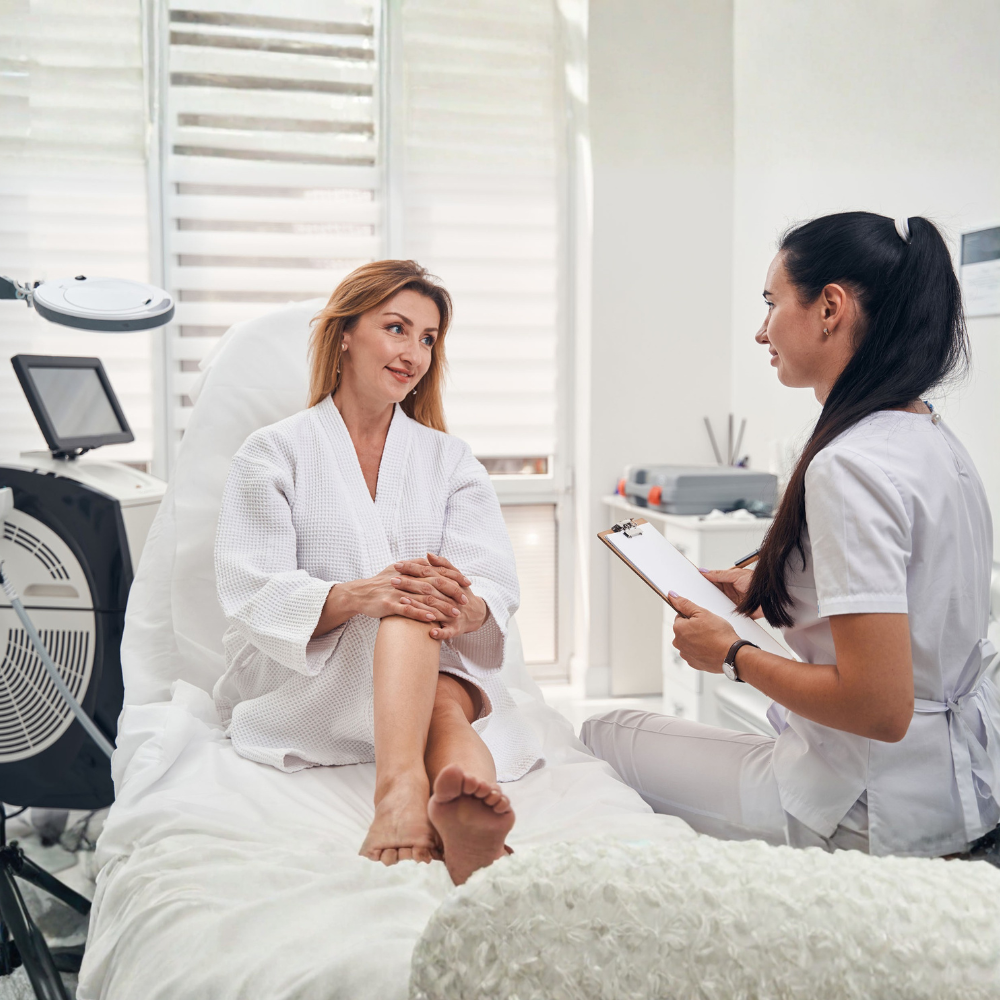
A medical spa combines licensed esthetic care with medical supervision. Day spas employ licensed estheticians who perform surface-level treatments, but a spa for medical purposes adds clinical oversight; this structure separates it from a standard facility. This article can explain the differences, the available treatments, and the staffing requirements that define both.
Defining the Core Differences
Day spas focus on treatments that work at the surface of the skin. They employ licensed estheticians, and these professionals perform facials, peels, and waxings within their scope of practice. A medical spa operates under a different model because it must employ a medical director; that requirement allows the facility to offer treatments that reach beneath the surface of the skin.
Reviewing Available Treatments
A medical spa offers treatments that extend past surface care. The setting supports injectables, which include Botox and fillers; it also supports laser treatments that require medical knowledge. Microneedling and microdermabrasion are available as well, and because these treatments fall outside the standard esthetician licensing course, the medical structure supports their delivery.
The treatment range covers several categories. Available services include IV vitamin therapy, body contouring, weight loss, laser hair removal, skin care, bioidentical hormone replacement therapy, and PRP. Each service operates within a supervised setting, and because a medical director oversees the practice, treatments follow a medical model.
Examining Staffing Requirements
Staffing defines the clinical spa model. A medical director supervises and performs the medical-grade treatments; this oversight separates the facility from a general spa. Licensed estheticians work in both settings, but an esthetician cannot open one of these spas without a medical director in the business; that rule shapes how these practices form.
Medical professionals carry the knowledge these treatments require. Treatments that reach beneath the skin require an understanding of anatomy, and many fall outside the standard 600-hour esthetician licensing course. Nurses and doctors can perform these treatments, though they need deeper knowledge of skin conditions, and the medical director fills this gap within the practice.
Matching Medical Spa Services
Service selection depends on the treatment a client seeks. A facial or peel addresses surface skin concerns, while injectables and laser treatments reach deeper. A clinical spa also offers Microneedling and PRP; because both estheticians and medical staff work in the same setting, the facility provides a wider range of services than a day spa.
The staffing model shapes the setting. Licensed estheticians provide surface-level care, while medical staff provide medical-grade treatments under a medical director’s supervision. Both groups work within the same facility, and the medical spa combines their roles to provide treatments that a day spa cannot perform.
Schedule a Consultation
A medical spa pairs licensed esthetic care with medical oversight, and this structure supports treatments that range from facials to injectables. The facility offers laser hair removal, body contouring, skin care, and other treatments within a supervised setting. Review the available services to learn which treatments both spas provide. Schedule a consultation by finding a spa in your area that can meet your needs and calling their office. Set up your first appointment today.







