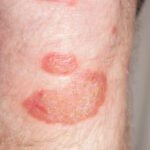



Skin cancer services include skin examinations, biopsies, and treatment options tailored to the type and severity of the condition. Dermatology providers evaluate basal cell carcinoma, squamous cell carcinoma, and melanoma before recommending procedures such as excision, cryosurgery, or Mohs surgery. Because treatment needs vary, providers also discuss preventive measures, including sun protection and routine skin examinations, to support ongoing skin health. Here is more information about skin cancer services in modern medicine:
Recognizing Common Skin Cancers
Skin cancer services address conditions such as basal cell carcinoma, which develops in cells within the lower epidermis. This type typically grows slowly and rarely spreads, although untreated lesions may damage surrounding tissues. Individuals with lighter skin tones and prolonged sun exposure have an increased risk of developing basal cell carcinoma.
Squamous cell carcinoma originates in flat cells within the epidermis and commonly develops on sun-exposed areas. Lesions may appear as rough patches, firm bumps, or sores that do not heal. Although this cancer often remains localized, untreated cases sometimes spread into deeper tissues or other areas.
Melanoma develops in melanocytes, the cells responsible for producing skin pigment. It may appear as a new pigmented lesion or changes in an existing mole. Because melanoma has a greater potential to spread, suspicious skin changes require prompt dermatological evaluation.
Diagnosing Suspicious Lesions
Dermatology providers examine skin closely to identify precancerous and cancerous changes. They look for lesions that appear asymmetrical, irregular, or unusually colored, and they document any changes over time. Providers often recommend a biopsy for lesions that look suspicious. During a biopsy, the provider removes a small sample of tissue, and a lab analyzes that sample to confirm whether cancer cells are present, which guides the next step in treatment.
Exploring Skin Cancer Treatments
Skin cancer treatment depends on the cancer’s type, size, location, stage, and the patient’s overall health. Dermatology providers evaluate examination findings and biopsy results before recommending appropriate treatment options. Depending on the diagnosis, treatment may involve localized procedures or therapies addressing more advanced disease. Common treatment approaches include:
- Performing surgical excision: Removing cancerous tissue along with a margin of surrounding healthy skin.
- Using cryosurgery: Applying liquid nitrogen to destroy certain superficial abnormal skin cells.
- Performing Mohs surgery: Removing and examining thin tissue layers to identify remaining cancer cells while preserving surrounding skin.
- Applying radiation therapy: Using targeted radiation to treat certain skin cancers when clinically appropriate.
- Administering systemic therapy: Using medications, including immunotherapy or targeted therapy, for certain advanced or metastatic skin cancers.
Performing Mohs Surgery Precisely
Mohs surgery is a specialized technique used to treat certain skin cancers, particularly basal cell and squamous cell carcinomas. During the procedure, surgeons remove thin layers of affected tissue and examine each layer under a microscope. This process continues until examination findings show no remaining cancer cells at the surgical margins. Because Mohs surgery preserves surrounding healthy tissue, providers often recommend it for lesions in sensitive or cosmetically prominent areas.
Preventing Skin Cancer Damage
Ultraviolet radiation from sunlight and tanning devices contributes to the development of many skin cancers. Although genetic factors influence individual risk, protective habits help reduce exposure to harmful ultraviolet rays. Dermatology providers recommend incorporating sun protection and regular skin monitoring into daily routines. Common preventive measures include:
- Applying broad-spectrum sunscreen
- Wearing protective clothing
- Using wide-brimmed hats
- Avoiding indoor tanning beds
- Checking skin for changes
- Scheduling routine skin examinations
Regular skin monitoring helps individuals recognize new growths, changing moles, and other unusual skin changes. Professional examinations allow dermatology providers to evaluate suspicious lesions and recommend additional testing when appropriate. Because skin cancer risk varies, providers may recommend different examination schedules based on personal history and individual risk factors.
Schedule Skin Cancer Services Today
Early identification of skin cancer allows dermatology providers to evaluate suspicious lesions and recommend appropriate treatment options. Routine skin examinations help detect changes in moles, unusual growths, and other potential warning signs. Daily sun protection and regular skin monitoring also support preventive care and ongoing skin health. Contact a dermatology provider today to schedule a skin examination and discuss any concerning skin changes.