

Medical spas offer cosmetic treatments overseen by licensed medical professionals in a comfortable setting. Each plan starts with a review of your skin type, concerns, and treatment history, and providers use this information to recommend options that match your cosmetic goals. This personalized approach allows your care to change as your skin and priorities change. A treatment plan may include in-office treatments, injectables, procedures, and at-home products. Here’s more information on medical spas and how they support beauty and skin care goals:
What Skincare Treatments Are There?
A medical spa provides several non-invasive facial treatments that address common cosmetic concerns; the appropriate options depend on your skin type, tone, and goals. One treatment option is intense pulsed light (IPL), which delivers broad-spectrum light through a handheld device. The light targets pigment in sun spots, freckles, and visible blood vessels. These areas may appear lighter or less noticeable over time. Most people complete a series of sessions spaced several weeks apart. IPL is not suitable for every skin tone, so a provider evaluates your skin before treatment.
Trying Chemical Peels
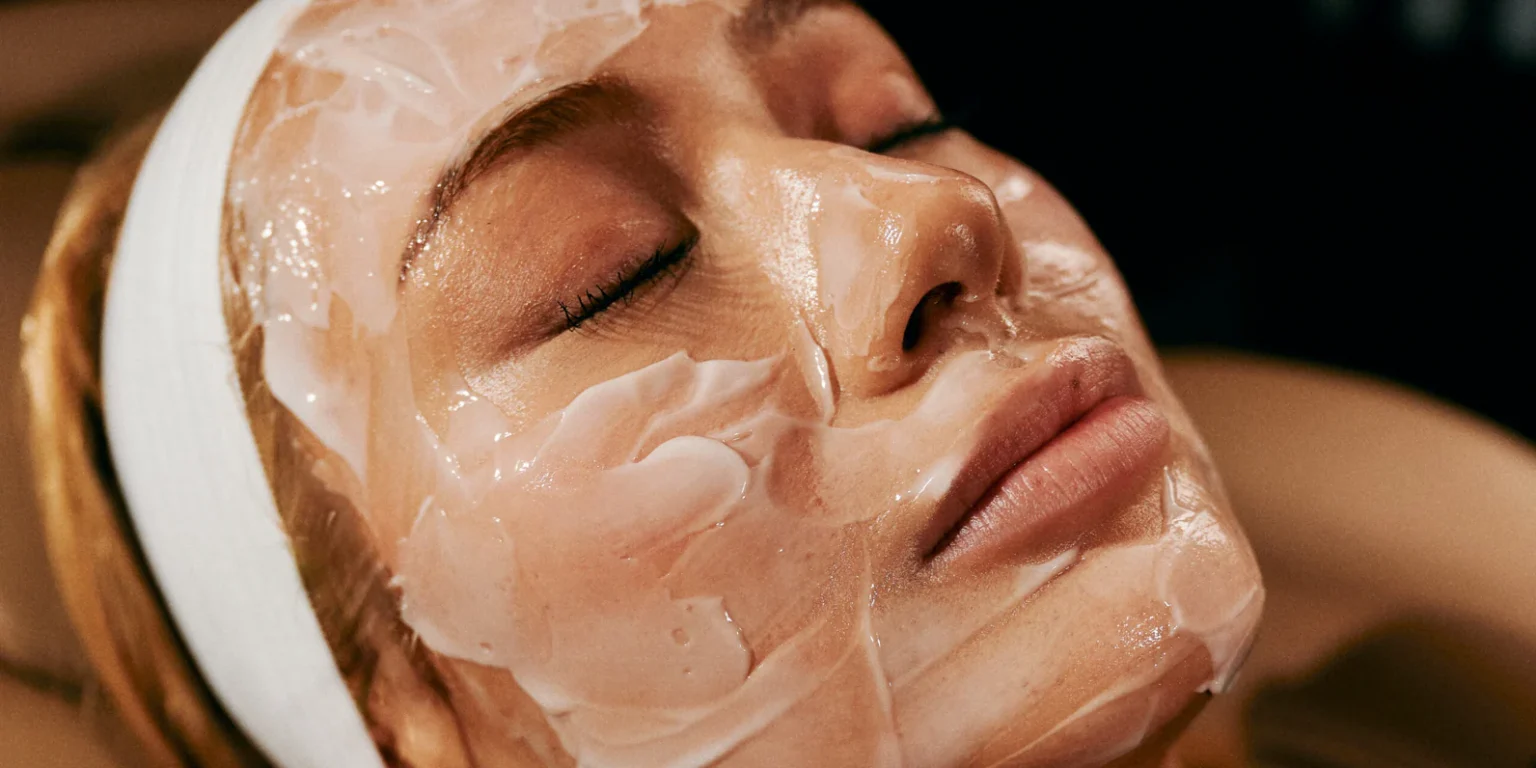
A chemical peel uses an acid solution to remove outer layers of dead skin cells, and peels range from light to deep depending on the solution’s strength. Light peels often contain glycolic, lactic, or salicylic acid. Medium peels may use trichloroacetic acid (TCA) to reach deeper skin layers. Peels are commonly used to address dullness, rough texture, and mild discoloration, improving overall appearance gradually.
Trying Prescription-strength Topicals
Retinoids, such as tretinoin, are vitamin A derivatives that encourage cell turnover. Antioxidants like vitamin C are often included to address environmental stressors such as UV exposure and pollution. Medical spas offer topical products stronger than most over-the-counter options, and your provider will explain how often to apply each product and how to manage initial irritation.
What Injectables Are Popular?
Dermal fillers and Botox are two of the most requested injectables at medical spas; each treatment works differently and addresses different concerns. Dermal fillers are gel-like substances placed beneath the skin, and many are made from hyaluronic acid, a substance found naturally in the body. Fillers add volume to areas such as the cheeks, lips, and under-eye hollows. They can also soften deep folds, including smile lines. Depending on the product, results may last from several months to over a year.
Botox is a neuromodulator that temporarily relaxes targeted facial muscles. It is commonly used for dynamic wrinkles, which form from repeated facial expressions. Typical treatment areas include forehead lines, frown lines, and crow’s feet. Appointments are often brief, so most people return to normal activities the same day. Results typically last three to four months, so you must get reinjections to maintain them over time.
What Facial Procedures Are There?
Facial procedures work beneath the skin’s surface to address texture, firmness, and visible signs of aging. Laser skin resurfacing uses concentrated light to remove or heat skin layers. Ablative lasers remove the outer layer of skin; non-ablative lasers heat the tissue underneath without removing the surface. Benefits may include smoother texture, reduced-looking wrinkles and scars, and more even pigmentation. Ablative treatments generally require more downtime than non-ablative options.
RF microneedling combines two technologies in one treatment. First, a device creates tiny channels in the skin with fine needles. At the same time, it delivers radiofrequency energy into deeper layers. This process activates the skin’s natural healing response, which encourages collagen and elastin production. Providers often use RF microneedling to address:
- Fine Lines
- Enlarged Pores
- Acne Scars
- Loss of Firmness
Work With a Medical Spa
Learn more about your cosmetic treatment options by scheduling a consultation with a medical spa near you. A consultation is the first step toward a treatment plan, and during this appointment, a provider reviews your medical history, current medications, and past cosmetic treatments. They examine your skin and ask about the results you hope to achieve. The provider then explains which treatments may suit your goals, along with timelines and expected downtime. To prepare for your consultation, bring a list of questions and the names of the skincare products you currently use.