

Vein treatment targets damaged veins in the legs, and medical providers offer both surgical and non-surgical options for these problems. Some people seek care for visible spider veins, and others want relief from aching or swelling. When small valves inside a vein weaken, blood pools and stretches the vein walls. Here are some surgical and non-surgical treatment options:
Non-surgical Methods
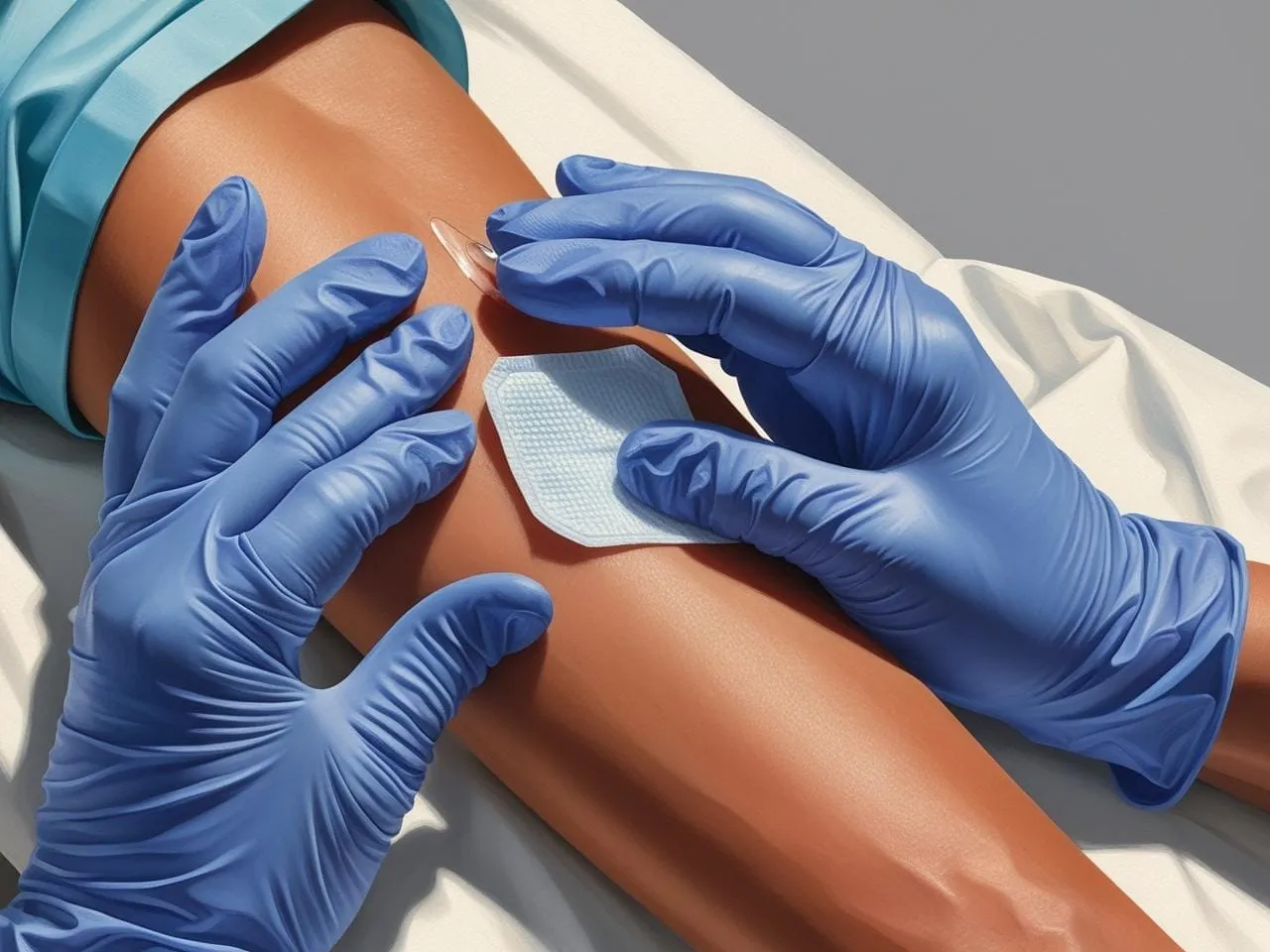
Non-surgical methods close a faulty vein, which reroutes blood through healthier vessels. Your body then absorbs the closed vein over several weeks. These treatments use needles or thin tubes called catheters, and they typically don’t require general anesthesia. Three vein treatment methods include:
- Sclerotherapy: A provider injects a solution into the vein, and this irritates the vein lining and makes it collapse.
- Radiofrequency energy: A thin catheter delivers heat inside a larger vein, such as the great saphenous vein in the thigh.
- Vein glue: A provider seals the vein from inside with a medical-grade adhesive delivered through a catheter.
Sclerotherapy typically takes several sessions, but each visit is typically short. Radiofrequency treatment requires numbing medicine along the leg because the catheter heats the vein from inside. Since medical glue avoids heat and most of those numbing injections, many patients return to normal daily activity within a day or two.
Surgical Procedures
Ambulatory phlebectomy removes bulging surface veins through tiny skin openings. A provider marks the veins while you stand, since gravity makes them easier to see. Local anesthetic numbs the area, and the provider lifts out vein segments with a small hook.
Since the openings measure only a few millimeters, they do not need stitches. The procedure is quick, and you go home the same day. Compression stockings support the leg during recovery. Mild bruising around the treated area typically fades over a few weeks.
Some people need surgery for very large veins, and providers sometimes pair phlebectomy with radiofrequency treatment. Older methods like vein stripping may appear less often. Your provider may recommend phlebectomy if a vein twists too much for a catheter to pass.
Vein-related Factors That Apply
Before a provider recommends a method, they usually perform a duplex ultrasound of your legs. This painless scan shows vein size and depth, and it reveals whether valves leak. Several details shape the final plan:
- Vein size, depth, and location
- Patient medical history, including past blood clots or pregnancy
- Symptoms such as aching, swelling, itching, or skin changes
- Medications, especially blood thinners
- Time available for recovery
Insurance plans may treat cosmetic spider veins differently from medical vein disease. They may cover radiofrequency treatment for documented valve leaks, but few pay for sclerotherapy of spider veins. Ask your provider’s office to check your benefits before you book an appointment.
Radiofrequency is a minimally invasive procedure that uses heat to treat varicose veins, offering both effective and lasting relief. It is quick and requires minimal downtime. While the procedure is generally safe, patients should follow post-procedure care instructions carefully to promote ideal results.
Schedule Vein Treatment Near You
Both surgical and non-surgical options treat vein problems, and each method suits different vein types. A consultation helps match the method to your veins, health history, and schedule. If you notice new swelling, skin darkening, or leg pain, contact a vein specialist. Call our office to schedule a visit, or request an appointment through our website.