

Psoriasis is a long-term skin condition that affects millions of people, and it may appear at any age. The condition is not contagious, which means it cannot spread from one person to another through touch or shared items. Learning how this condition develops, which problems it may lead to, and which treatment options are available helps you make informed decisions about your skin health.
What Is Psoriasis?
Psoriasis is a chronic condition linked to the immune system. In people with psoriasis, the immune system becomes overactive, and the growth cycle of skin cells speeds up. Healthy skin cells typically grow and shed over the course of about a month. With psoriasis, this process may occur within a few days. The body cannot shed these cells quickly enough, so they build up on the surface of the skin.
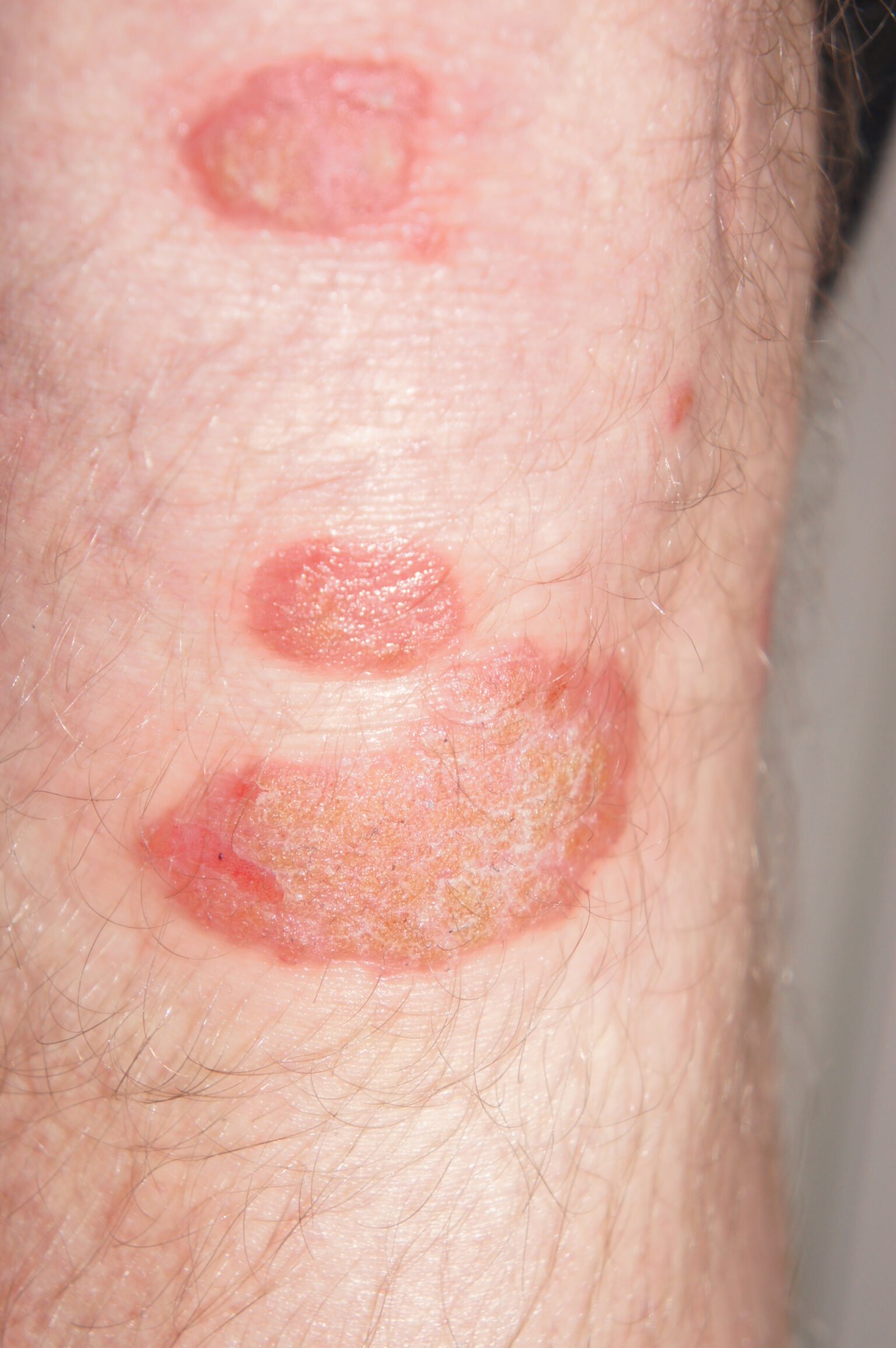
This buildup creates raised patches known as plaques. On lighter skin, plaques often appear red or pink with silvery-white scales. On darker skin, they may look purple or gray. These patches can itch, burn, or feel sore, and they commonly form on the elbows, knees, scalp, and lower back. There are several types of this condition, and plaque psoriasis is the most common form. Other types include:
- Guttate Psoriasis: Causes small, drop-shaped spots
- Inverse Psoriasis: Affects skin folds
- Pustular Psoriasis: Produces pus-filled bumps
- Erythrodermic Psoriasis: A rare form that can cover large areas of the body
Genetics, stress, infections, certain medications, and skin injuries may trigger flare-ups.
What Complications Does It Cause?
Psoriasis can affect more than the skin, and people with the condition face a higher risk of developing several other health problems. A common complication is psoriatic arthritis. This causes joint pain, stiffness, and swelling. Some people notice joint symptoms years after their skin symptoms begin, while others experience both at the same time. Psoriasis is also linked to a greater risk of cardiovascular disease, type 2 diabetes, and high blood pressure.
How Is It Treated?
There is currently no cure for this condition, but a range of treatment options can help manage symptoms and reduce the frequency of flare-ups. A dermatologist typically recommends a treatment plan based on the type of psoriasis, the severity of symptoms, the areas of the body involved, and the patient’s overall health. Topical treatments are often the first approach for mild to moderate cases, which are applied directly to the skin to help slow cell growth and reduce inflammation.
Light therapy exposes the skin to controlled amounts of ultraviolet light under medical supervision. For moderate to severe psoriasis, a dermatologist may recommend systemic medications. Biologic drugs are one type of systemic treatment that target specific parts of the immune system involved in this condition. Lifestyle habits may also support treatment; keeping skin moisturized, managing stress, avoiding known triggers, and not smoking can help some people manage their symptoms.
Speak With a Dermatologist
Psoriasis symptoms change over time, and a treatment that works well at one stage can become less effective later. Regular visits with a dermatologist allow for ongoing evaluation and adjustments to your treatment plan as needed. A dermatologist can also help distinguish psoriasis from conditions with similar symptoms, such as eczema. If you notice persistent patches of scaly skin or joint discomfort, contact a dermatologist for an evaluation. Early diagnosis can support more effective symptom management and help you take an active role in your long-term skin health.