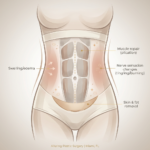



Bariatric surgery includes a preparation phase with medical evaluations and dietary changes, followed by a recovery period focused on wound healing and gradually reintroducing food. Long-term lifestyle adjustments complete the process. Patients typically follow a structured plan before surgery, and they experience physical and dietary shifts afterward. Because recovery depends on consistent habits, patients benefit from specific practices that support healing and successful weight loss. Here is more information on what to expect from the surgical process:
What Happens Before Bariatric Surgery?
Before bariatric surgery, patients undergo a series of medical evaluations. These typically include blood work, imaging studies, and consultations with a surgeon. The goal is to confirm the patient is a suitable candidate, and it also helps the care team identify any conditions that may affect surgical outcomes. Since each patient’s health history differs, the specific tests may vary, but the evaluation’s purpose remains the same.
Nutritional counseling plays a central role in this stage. Patients may learn dietary practices that mirror post-surgery guidelines, including:
- Portion control: Eating measured amounts at each meal to prepare for the reduced stomach capacity after surgery.
- Protein intake targets: Meeting daily protein goals to support healing and preserve muscle mass.
- Hydration strategies: Drinking fluids consistently throughout the day, separate from meals.
Starting these habits early builds familiarity, which helps ease the transition once the surgery date arrives.
What Happens After?
Immediately after surgery, patients spend time in a recovery unit, where nurses monitor vital signs as the anesthesia wears off. Hospital stays vary by procedure type. Minimally invasive surgeries may require one night, while more complex cases take longer. Pain management, mobility encouragement, and incision care begin right away, though the specific protocols depend on the surgical team and the patient’s condition.
The post-surgery diet follows a structured progression over several weeks. Patients typically begin with clear liquids, such as water, broth, and sugar-free beverages. Pureed foods with a smooth consistency are added next, followed by soft, easily chewed foods once pureed foods are tolerated. In the final stage, providers gradually reintroduce regular textures. Skipping stages or rushing the process can cause discomfort or complications, so providers give timelines for each phase.
Weight loss during the first few months tends to be rapid; it then gradually levels off as the body adjusts. The rate of loss slows over time. Fatigue and adjustments to eating habits are common during this period. Regular follow-up appointments track healing, nutrient levels, and progress toward weight goals, which allows the care team to identify issues early.
What Are Effective Recovery Tips?
Hydration and protein intake are among the top priorities during recovery. Sipping fluids throughout the day helps prevent discomfort in a smaller stomach, so patients should avoid drinking large amounts at once. Because protein-rich foods support tissue repair, they also help preserve muscle mass during rapid weight loss.
Movement also supports healing; short, gentle walks after surgery may reduce the risk of blood clots. They also encourage circulation. As the surgeon approves, patients can gradually increase activity levels. Over several weeks, they move toward more structured exercise. Attending every follow-up appointment allows the care team to monitor progress.
Know What To Expect
Bariatric surgery reshapes daily habits before and after the operation itself; preparation builds the foundation, surgery marks the turning point, and recovery determines how smoothly the transition unfolds. Patients who follow their care team’s guidance through each phase may see steadier progress and fewer setbacks. Talk with your surgical team about a personalized timeline for your procedure.